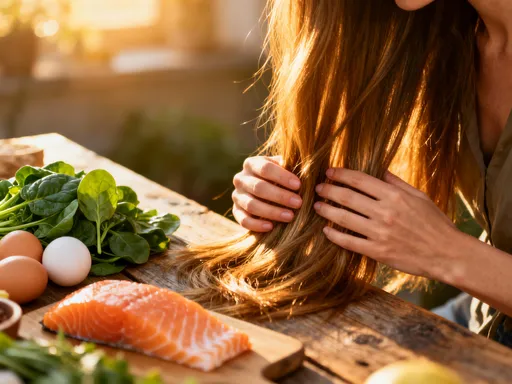
Glow From Within: How My Daily Choices Transformed My Skin and Energy
You know that dull skin and low energy can sneak up on you? I was there—tired, stressed, and frustrated with endless skincare products that didn’t work. Then I realized: true radiance starts inside. What I ate, how I hydrated, and even my sleep habits were silently shaping my skin. This isn’t about quick fixes, but real, lasting change. Here’s what actually helped me feel and look better—naturally.
The Wake-Up Call: When Skincare Stopped Working
For years, I believed that glowing skin came from a well-stocked bathroom cabinet. I invested in serums, moisturizers, and exfoliants—some with impressive ingredient lists and price tags to match. I followed routines religiously: cleanse, tone, treat, moisturize, repeat. Yet, despite my efforts, my skin remained uneven, often breaking out without warning, and carrying a tired, lackluster tone that no amount of highlighter could fix. I would wake up with puffiness under my eyes, occasional redness across my cheeks, and a general sense of heaviness that makeup couldn’t mask.
The turning point came during a routine visit to my primary care provider. I mentioned my persistent fatigue and skin concerns almost as an afterthought. Instead of recommending a new cream, she asked about my diet, sleep, and stress levels. That conversation shifted everything. She explained that the skin is the body’s largest organ—and like any organ, it reflects internal health. What I was putting into my body, or failing to put in, was showing up on my face.
Science supports this connection. Research shows that skin health is deeply influenced by internal factors such as inflammation, gut microbiome balance, and hydration status. Chronic low-grade inflammation, often driven by poor diet and stress, can manifest as redness, acne, and premature aging. The gut-skin axis—a bidirectional communication pathway between the digestive system and the skin—means that imbalances in gut bacteria can trigger or worsen skin conditions like eczema, rosacea, and acne. Hydration, too, plays a foundational role. Even mild dehydration can make skin appear dry, flaky, and less elastic.
It became clear that no amount of topical products could fully compensate for what was happening beneath the surface. My skincare routine wasn’t wrong, but it was incomplete. I had been treating symptoms while ignoring root causes. That realization didn’t come with a dramatic epiphany, but with a quiet, steady understanding: if I wanted my skin to change, I had to change the way I lived.
Ditching the Quick Fixes: Why Most Beauty Diets Fail
In my search for solutions, I naturally turned to the world of “beauty diets.” I tried juice cleanses that left me lightheaded by midday, eliminated entire food groups based on trending blogs, and experimented with detox teas that promised to “reset” my system. At first, some of these approaches seemed to work. My skin appeared brighter, my digestion improved, and I felt a sense of control. But within weeks, the benefits faded. I’d regain the energy I’d lost, only to feel more fatigued than before. My skin would flare up again, sometimes worse than before.
The problem with many popular beauty diets is that they are built on restriction, not nourishment. They often eliminate key nutrients the body needs to function optimally. For example, cutting out carbohydrates entirely can deprive the skin of glucose, its primary energy source, leading to dullness and slow cell turnover. Severely limiting fat intake reduces the availability of essential fatty acids, which are critical for maintaining the skin’s moisture barrier. When the body is deprived of these fundamentals, it prioritizes vital organs over the skin—meaning your complexion is often the first to show signs of deficiency.
Additionally, extreme diets can disrupt metabolism and hormone balance. Rapid weight loss or caloric restriction may increase cortisol, the stress hormone, which in turn can trigger inflammation and oil production in the skin. This can lead to breakouts, even in people who haven’t struggled with acne since adolescence. The idea that you can achieve “perfect” skin in seven days is not only unrealistic—it’s potentially harmful. Skin cells take about 28 days to renew, and meaningful changes in texture, tone, and resilience require consistent, long-term support.
What I learned was that balance, not elimination, is the key to sustainable results. Instead of asking, “What can I cut out?” I began asking, “What can I add in?” This small shift in mindset made all the difference. Rather than feeling deprived, I felt empowered to build a diet that supported my energy, digestion, and skin health in a way that felt doable every day. Lasting radiance isn’t about perfection—it’s about consistency, variety, and self-compassion.
The Foundation: What I Actually Eat Every Day
My daily eating pattern is simple, grounded in whole foods, and designed to support steady energy and skin health. I don’t follow a rigid meal plan, but I do prioritize certain food groups and preparation methods that make a noticeable difference. Breakfast is usually the same: a bowl of oatmeal made with unsweetened almond milk, topped with a handful of blueberries, a tablespoon of chia seeds, and a sprinkle of cinnamon. Sometimes I add a spoonful of natural almond butter for healthy fats. This meal provides complex carbohydrates, fiber, antioxidants, and omega-3s—all of which support blood sugar balance and skin repair.
Lunch is typically a large salad with mixed greens, roasted sweet potatoes, grilled chicken or chickpeas, avocado slices, and a simple olive oil and lemon dressing. I aim to include at least three different colors of vegetables in every meal, as each color represents different phytonutrients that protect the skin from oxidative stress. For example, the orange in sweet potatoes comes from beta-carotene, which the body converts to vitamin A—an essential nutrient for cell turnover and skin renewal.
Snacks are strategic. I keep cut vegetables like carrots and bell peppers in the fridge, paired with hummus. Other days, I eat a small handful of raw almonds or a piece of fruit like an apple or pear. These snacks provide fiber and healthy fats, which help stabilize blood sugar and prevent energy crashes that can lead to poor food choices later in the day. I’ve also learned to listen to my hunger cues—eating when I’m truly hungry, not out of boredom or stress.
Dinner is often a warm, comforting meal. I might prepare baked salmon with quinoa and steamed broccoli, or a stir-fry with tofu, brown rice, and a variety of colorful vegetables. I use herbs and spices like turmeric, garlic, and ginger, which have natural anti-inflammatory properties. Meal timing matters, too. I try to eat dinner at least two to three hours before bedtime to support digestion and improve sleep quality. Portion control is part of the routine—not out of restriction, but out of respect for how my body feels. Overeating, even healthy foods, can lead to bloating and sluggishness, which I’ve noticed directly affects my skin’s clarity the next morning.
Power Foods That Made the Difference
While no single food is a magic bullet, certain staples have made a visible impact on my skin and energy. The first is avocado. Rich in monounsaturated fats and vitamin E, avocado helps maintain the skin’s moisture barrier and protects against environmental damage. I add it to salads, blend it into smoothies, or eat it simply with a sprinkle of sea salt. The healthy fats keep me full and support hormone balance, which in turn helps regulate oil production in the skin.
Sweet potatoes are another cornerstone. Packed with beta-carotene, they give my skin a natural, healthy glow. Beta-carotene acts as a mild antioxidant, helping to neutralize free radicals that can break down collagen and elastin. I roast them as a side, mash them, or include them in grain bowls. Unlike refined carbohydrates, which can spike blood sugar and trigger inflammation, sweet potatoes provide sustained energy and support skin healing.
Chia seeds have become a daily habit. Just one tablespoon provides a significant amount of omega-3 fatty acids, which are essential for reducing inflammation and keeping skin supple. I stir them into yogurt, oatmeal, or water to make a hydrating gel. When soaked, chia seeds form a gel-like consistency that also supports digestion—another benefit for skin health.
Greek yogurt is a reliable source of protein and probiotics. The live cultures in fermented dairy support a healthy gut microbiome, which, as research shows, is linked to reduced acne and improved skin barrier function. I choose plain, unsweetened varieties to avoid added sugars, which can feed harmful gut bacteria and promote inflammation. I top it with berries and nuts for a balanced snack or light breakfast.
Finally, green tea has become my beverage of choice. It contains catechins, a type of antioxidant that helps protect the skin from UV damage and reduces redness. I drink one or two cups daily, often in the afternoon as a caffeine boost without the jitters of coffee. The combination of these foods—avocado, sweet potatoes, chia seeds, Greek yogurt, and green tea—has created a foundation of internal support that my skin visibly responds to. Consistency, not perfection, is what makes them effective.
What I Cut Back On (Not Completely!)
Transformation didn’t come from adding foods alone—it also came from reducing certain habits. The most impactful change was cutting back on added sugar. I used to reach for cookies, pastries, or sugary cereals when energy dipped. Over time, I noticed a pattern: within hours of eating high-sugar foods, my skin would feel oilier, and breakouts would follow. While this is a personal observation and not a medical claim, research suggests that high-glycemic foods can increase insulin levels, which in turn may stimulate oil production and inflammation in the skin.
I also began to question my dairy intake. I’ve never been lactose intolerant, but I noticed that when I reduced cheese and milk, particularly in the evenings, my skin appeared less congested. Some studies suggest a possible link between dairy consumption and acne, possibly due to hormones present in milk. I don’t avoid dairy entirely—I still enjoy yogurt and the occasional slice of cheese—but I’m more mindful about how much and how often I consume it.
Processed snacks and refined carbohydrates, like white bread and packaged chips, were another area of reduction. These foods often lack fiber and nutrients, and they can cause rapid spikes and crashes in blood sugar. I’ve replaced them with whole food alternatives: whole grain toast with avocado, air-popped popcorn, or roasted chickpeas. The shift wasn’t about deprivation, but about upgrading my choices to ones that made me feel better physically and mentally.
Hydration was another key area. I used to drink soda regularly, especially in the afternoon. I’ve since swapped it for herbal teas, infused water with lemon and cucumber, or plain sparkling water with a splash of fruit juice. Staying well-hydrated has improved my digestion, reduced bloating, and given my skin a more plump, dewy appearance. I aim for at least eight glasses of water a day, more if I’m active or in a hot climate. These changes weren’t made overnight, and I still enjoy treats—dark chocolate, a slice of birthday cake, or a glass of wine on the weekend. Moderation, not elimination, has been the guiding principle.
Beyond the Plate: Sleep, Stress, and Skin
Diet is powerful, but it doesn’t work in isolation. Sleep and stress are equally important when it comes to skin health. For years, I underestimated the impact of poor sleep. I’d stay up late answering emails, scrolling through my phone, or watching TV, then wonder why I woke up with puffy eyes and dull skin. Research shows that during deep sleep, the body repairs damaged cells, including skin cells. Without enough quality sleep, this repair process is disrupted, leading to increased signs of aging, dark circles, and a sallow complexion.
I also didn’t fully appreciate how stress affects the skin. When I was overwhelmed at work or juggling family responsibilities, I’d notice more breakouts and redness. Cortisol, the primary stress hormone, increases oil production and inflammation in the skin. It can also weaken the skin’s barrier, making it more vulnerable to irritation and infection. Chronic stress doesn’t just affect mood—it shows up on your face.
To support better sleep and lower stress, I’ve built small, sustainable habits. I take a 20-minute walk most days, which helps clear my mind and improves circulation—benefiting both skin and mood. I journal for five minutes before bed, writing down thoughts or things I’m grateful for. This simple practice helps me release the day’s tensions. I also power down screens at least an hour before bed, replacing them with reading or gentle stretching. Creating a consistent wind-down routine has improved my sleep quality significantly.
These habits don’t require a lot of time or effort, but they’ve made a meaningful difference. When I sleep well and manage stress, my skin looks calmer, more even, and more radiant. My energy levels are steadier, and I feel more present in my daily life. Skin health isn’t just about what you apply or eat—it’s about how you live.
Putting It All Together: A Real-Life Routine That Works
Putting these pieces into practice didn’t happen all at once. I started with one change: drinking more water. Once that felt natural, I added a serving of vegetables to lunch. Over time, these small steps built into a lifestyle that supports my skin and energy from the inside out. To give a clear picture, here’s a sample 3-day eating plan that reflects my current routine:
Day 1: Breakfast—oatmeal with chia seeds, blueberries, and almond butter. Lunch—kale salad with grilled chicken, roasted beets, walnuts, and olive oil dressing. Snack—apple with a handful of almonds. Dinner—baked salmon, quinoa, and sautéed spinach. Beverage—green tea in the afternoon, herbal tea at night.
Day 2: Breakfast—Greek yogurt with strawberries and flaxseeds. Lunch—lentil soup with a side of whole grain bread and carrot sticks. Snack—cucumber slices with hummus. Dinner—stir-fried tofu with broccoli, bell peppers, and brown rice. Beverage—infused water with lemon and mint.
Day 3: Breakfast—smoothie with spinach, banana, chia seeds, and unsweetened almond milk. Lunch—sweet potato and black bean bowl with avocado and salsa. Snack—pear and a small piece of dark chocolate. Dinner—chicken and vegetable curry with basmati rice. Beverage—warm lemon water in the morning, chamomile tea at night.
Alongside this eating pattern, I follow a daily habits checklist: drink at least eight glasses of water, include a variety of colorful vegetables, move my body for 30 minutes, and wind down without screens. Progress didn’t come overnight. It took about eight weeks before I noticed consistent improvements—fewer breakouts, more even tone, and a natural glow that didn’t wash off. But the changes went beyond skin. My digestion improved, my energy was more stable, and my mood felt lighter.
This journey wasn’t about achieving flawless skin. It was about learning to care for my body in a way that felt sustainable and kind. The glow I see now isn’t just on the surface—it’s a reflection of how I feel inside.
Conclusion: Small Steps, Big Glow
Looking back, the biggest shift wasn’t in my routine—it was in my mindset. I used to chase perfection, believing that if I just found the right product or diet, I could erase every flaw. Now, I understand that true radiance comes from honoring my body with consistent, nourishing choices. It’s not about being perfect every day, but about showing up with intention and compassion.
If you’re feeling stuck in your own journey, I encourage you to start small. Swap one sugary snack for a piece of fruit. Add an extra serving of vegetables to your dinner. Drink one more glass of water today than you did yesterday. These tiny actions, repeated over time, create real change. You don’t need to overhaul your life to see results—just begin where you are.
Remember, real transformation takes time. Your skin reflects your overall well-being, not just your skincare cabinet. When you fuel your body with whole foods, move with joy, rest deeply, and manage stress with care, radiance follows—not as a result of effort, but as a natural expression of health. You are not broken. You don’t need fixing. You simply need to be nurtured. And when you are, your glow will come from within.