What I Learned About Hair Care from Changing How I Eat
Hair goals used to feel impossible—until I realized the real issue wasn’t my shampoo, but my plate. Like so many, I chased expensive treatments while overlooking the most powerful tool: nutrition. What we eat directly fuels hair strength, shine, and growth. This isn’t about quick fixes, but long-term changes backed by science. Hair is made of keratin, a type of protein, and its growth cycle depends on a steady supply of essential nutrients. Without the right foundation, even the most luxurious serums and scalp massages can only do so much. When shedding slowed and strands began to thicken after just a few months of mindful eating, I knew something deeper was at work. This journey wasn’t about perfection, but awareness. By understanding how food supports hair from the inside out, I made simple, lasting changes. Here’s how upgrading my diet transformed my hair—and how you can start, too, with realistic, science-backed steps.
The Hidden Link Between Diet and Hair Health
Hair may grow from the scalp, but its quality begins in the kitchen. Many people spend heavily on conditioners, oils, and salon treatments, yet see minimal improvement. The reason? They’re addressing symptoms, not causes. Over 90% of each hair strand is composed of protein, primarily keratin, which the body must build using amino acids from the foods we eat. Without adequate intake, the body prioritizes vital organs over hair, leading to slower growth, thinning, and breakage. This is why nutritional deficiencies often show up first in the hair, skin, and nails.
Essential nutrients play specific roles in the hair growth cycle. Biotin, also known as vitamin B7, helps convert food into energy and supports keratin production. Studies have linked biotin deficiency to hair thinning, though supplementation only benefits those who are truly deficient. Iron is another critical player; it carries oxygen to hair follicles via red blood cells. Low iron levels, particularly in women of childbearing age, are strongly associated with hair loss. Zinc supports the hair growth and repair cycle, and deficiencies can lead to both shedding and slowed regrowth. Omega-3 fatty acids, found in fatty fish and seeds, nourish hair follicles, reduce inflammation, and support scalp health.
The hair growth cycle itself has three phases: anagen (growth), catagen (transition), and telogen (resting). A balanced diet helps maintain a longer anagen phase, meaning hair grows for a more extended period before shedding. When the body lacks key nutrients, this cycle shortens, pushing more hairs into the resting phase and increasing visible shedding. This process, known as telogen effluvium, can be triggered by sudden dietary changes, crash dieting, or prolonged nutrient insufficiency.
Topical products can improve texture and appearance temporarily, but they cannot deliver the building blocks hair needs to grow strong from the root. Think of hair like a plant: no matter how much you polish the leaves, the plant won’t thrive without healthy soil. In this case, the soil is your internal environment—your blood, hormones, and nutrient levels. Shifting focus from external fixes to internal nourishment is the first step toward lasting hair health. It’s not about eliminating shampoos or serums, but understanding that true change starts with what you eat every day.
Common Nutritional Gaps That Sabotage Hair
Fatigue, brittle strands, and increased shedding are often dismissed as normal signs of aging or stress. But they can also be early warnings of nutritional shortfalls. Iron deficiency is one of the most common culprits, especially among women. Monthly blood loss during menstruation increases iron needs, and many do not consume enough iron-rich foods to compensate. When iron stores drop, the body conserves what it has for essential functions, leaving hair follicles undernourished. This can result in diffuse thinning across the scalp, often noticed when hair feels finer or when more strands than usual are left on the brush.
Protein intake is another frequent gap. With the rise of plant-based eating and low-calorie diets, some women unintentionally reduce their protein consumption. Hair is primarily protein, so when dietary protein is low, the body may slow hair growth to preserve resources. This is especially true for those following restrictive diets, skipping meals, or relying heavily on processed foods that lack complete proteins. Vegetarians and vegans need to be particularly mindful of combining plant proteins—like beans and rice—to ensure they get all essential amino acids.
Essential fatty acids, especially omega-3s, are often missing from modern diets. These fats help maintain the scalp’s natural oil barrier, preventing dryness and flakiness. Without them, hair can become dry, brittle, and prone to breakage. Diets high in processed oils and low in whole foods like fish, flaxseeds, and walnuts can create an imbalance in fatty acid intake, contributing to poor hair condition. Similarly, vitamin D deficiency, which affects nearly half of adults in some regions, has been linked to hair thinning and alopecia. While sunlight is a primary source, dietary intake from fortified foods or fatty fish also matters.
Other common deficiencies include zinc and vitamin B12. Zinc helps regulate oil production in the scalp and supports cell reproduction, while B12 is essential for red blood cell formation, which carries oxygen to hair follicles. Low levels of either can lead to hair loss, particularly in older adults or those with digestive issues that impair absorption. These deficiencies often develop gradually, making them easy to overlook. Yet their impact on hair can be significant. The good news is that many of these gaps can be corrected through diet, sometimes with the support of a healthcare provider’s guidance.
Foods That Actually Help Hair Grow Stronger
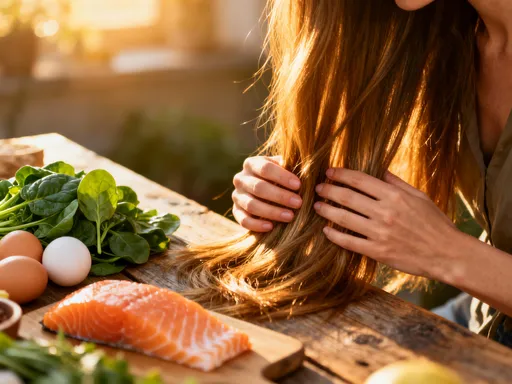
Instead of chasing supplements or trendy superfoods, focusing on whole, nutrient-dense foods delivers real benefits for hair. Fatty fish like salmon, mackerel, and sardines are rich in omega-3 fatty acids, which nourish hair follicles and reduce inflammation in the scalp. They also provide high-quality protein and vitamin D, both of which support healthy growth. Eating fatty fish two to three times a week can make a noticeable difference in hair texture and shine over time.
Eggs are another powerhouse. They contain biotin, protein, selenium, and essential amino acids, all of which contribute to strong, resilient hair. One large egg provides about 10% of the daily recommended intake of biotin. Contrary to outdated concerns, eating whole eggs—yolk included—is safe for most people and provides valuable nutrients that support overall health. Adding eggs to breakfast, salads, or snacks is a simple way to boost hair-supportive nutrients.
Leafy greens like spinach, kale, and Swiss chard are excellent sources of iron, folate, and vitamins A and C. Vitamin A helps produce sebum, the scalp’s natural conditioner, while vitamin C aids in iron absorption and supports collagen production, which strengthens hair structure. Pairing spinach with a source of vitamin C, such as lemon juice or bell peppers, enhances iron uptake. These greens can be added to smoothies, soups, or stir-fries for easy daily inclusion.
Nuts and seeds are convenient, nutrient-packed options. Almonds provide vitamin E, an antioxidant that protects hair from oxidative stress. Walnuts contain omega-3s and biotin. Pumpkin seeds are high in zinc and iron, both of which help regulate the hair growth cycle. Just a small handful a day can support scalp health and reduce breakage. Flaxseeds and chia seeds are also rich in omega-3s and can be sprinkled on yogurt, oatmeal, or salads. These foods are not only effective but easy to incorporate into everyday meals without drastic changes.
Simple Swaps That Make a Big Difference
Lasting improvements in hair health come not from extreme diets, but from consistent, manageable choices. One of the most effective changes is replacing refined carbohydrates with whole grains. White bread, pastries, and white rice cause rapid spikes in blood sugar, which can increase inflammation and negatively affect hormone balance—both of which may contribute to hair thinning. Swapping them for quinoa, brown rice, oats, or whole grain bread provides steady energy and more fiber, B vitamins, and minerals that support overall health and hair growth.
Another impactful swap is trading sugary snacks for protein- and nutrient-rich alternatives. Instead of cookies or candy, choosing Greek yogurt with berries provides protein, probiotics, and antioxidants. The combination supports gut health, which is increasingly linked to skin and hair condition. Similarly, replacing soda or sweetened tea with water or herbal infusions helps maintain hydration, which keeps the scalp moisturized and supports nutrient delivery to hair follicles.
Reducing processed foods is another key step. Many packaged meals are high in sodium, unhealthy fats, and additives that can disrupt metabolic balance. Cooking more meals at home with fresh ingredients gives greater control over nutrient intake. Even small shifts, like making a simple salad with mixed greens, grilled chicken, avocado, and pumpkin seeds, can deliver a wide range of hair-supportive nutrients in one meal.
Staying hydrated is often overlooked but essential. Water makes up a significant portion of hair structure, and dehydration can lead to dry, brittle strands. Aim for at least six to eight glasses a day, more if active or in a hot climate. Herbal teas and water-rich foods like cucumbers, oranges, and celery also contribute to fluid intake. These simple, sustainable changes work together to create an internal environment where hair can thrive.
When Diet Isn’t Enough—And What to Do Next
Nutrition is a powerful foundation, but it’s not the only factor in hair health. Sometimes, despite eating well, women still experience hair thinning, shedding, or patchy loss. In these cases, other underlying issues may be at play. Hormonal imbalances, such as those related to thyroid disorders or polycystic ovary syndrome (PCOS), can disrupt the hair growth cycle. The thyroid gland regulates metabolism, and both underactive (hypothyroidism) and overactive (hyperthyroidism) conditions have been linked to hair loss.
Chronic stress is another major contributor. High levels of cortisol, the stress hormone, can push hair follicles into the resting phase prematurely, leading to increased shedding several months later. This type of hair loss, often called telogen effluvium, usually resolves once stress is managed, but it can take time. Autoimmune conditions like alopecia areata cause the immune system to attack hair follicles, resulting in sudden, patchy hair loss. These conditions require medical diagnosis and treatment.
Medications, including some for blood pressure, depression, or hormonal birth control, can also affect hair. Sudden weight loss, surgery, or illness may trigger temporary shedding. If hair loss is rapid, widespread, or accompanied by other symptoms like fatigue, weight changes, or skin issues, it’s important to consult a healthcare provider. Blood tests can identify deficiencies, hormonal imbalances, or other medical conditions that need attention.
Nutrition supports healing and maintenance, but it cannot replace medical care when a clinical issue is present. A doctor or dermatologist can help determine the cause and recommend appropriate treatment, which may include medication, hormone therapy, or other interventions. The goal is not to self-diagnose, but to recognize when professional guidance is needed. Combining medical care with a nutrient-rich diet offers the best chance for recovery and long-term hair health.
Building a Hair-Friendly Eating Pattern (Not a Diet)
The goal isn’t to follow a rigid hair growth diet, but to build a flexible, balanced eating pattern that supports overall well-being. This means including a source of protein at every meal—whether it’s eggs, chicken, beans, tofu, or fish. Protein provides the amino acids needed to build and repair hair. Pairing it with a variety of colorful vegetables ensures a wide range of vitamins and antioxidants. Dark leafy greens, orange vegetables like carrots and sweet potatoes, and cruciferous vegetables like broccoli all contribute unique nutrients that support scalp and hair health.
Healthy fats should not be feared. Avocados, olive oil, nuts, seeds, and fatty fish provide essential fatty acids that keep hair moisturized and reduce inflammation. Including a small portion of healthy fat with each meal helps the body absorb fat-soluble vitamins like A, D, E, and K, which are important for skin and hair. Carbohydrates are also necessary, but choosing complex sources like sweet potatoes, oats, quinoa, and whole fruits provides sustained energy and fiber.
Hydration remains a cornerstone. Drinking enough water supports circulation, which delivers nutrients to hair follicles. It also helps flush out toxins and maintain the scalp’s moisture balance. Herbal teas, broths, and water-rich fruits and vegetables can all contribute to daily fluid needs.
Sample mini-meals might include oatmeal with chia seeds, berries, and almond butter; a spinach salad with grilled salmon, pumpkin seeds, and olive oil dressing; or a smoothie with Greek yogurt, banana, spinach, and flaxseed. Snacks could be apple slices with peanut butter, cottage cheese with pineapple, or a small handful of mixed nuts. The key is variety, balance, and consistency. Occasional treats are fine; the focus is on overall patterns, not perfection. Over time, these choices become habits that support not just hair, but energy, mood, and long-term health.
Real Results Take Time—But They Do Come
Hair grows slowly, about half an inch per month on average. This means changes from dietary improvements may not be visible for two to three months. During this time, it’s normal to feel impatient or doubt progress. But subtle signs often appear first: less shedding when brushing, improved shine, or a reduction in split ends. These are early indicators that the hair is becoming stronger from within.
Full results take commitment. After six months of consistent, nutrient-rich eating, many women report thicker, fuller hair with better texture and resilience. Scalp health often improves too, with less dryness or flakiness. These changes reflect deeper healing at the follicular level. Because hair reflects overall health, improvements often extend beyond appearance—energy levels may rise, skin may look clearer, and overall well-being can improve.
It’s important to manage expectations. Genetics, age, and medical history all influence hair texture and growth patterns. No diet can completely reverse genetic hair thinning, but it can optimize the health of existing hair and support its natural growth cycle. The goal is not perfection, but progress. Small, daily choices compound over time, creating lasting change.
Staying consistent is easier when the focus is on self-care rather than appearance alone. Eating well becomes a form of respect for the body, a quiet commitment to health that goes beyond vanity. When hair begins to respond, it serves as a visible reminder of what the body can do when properly nourished. The journey isn’t about quick fixes, but about building a lifestyle that supports vitality from the inside out.
Hair health is less about products and more about daily choices. By focusing on real, whole foods, you’re not just feeding your hair—you’re supporting your overall well-being. The best results come not from drastic changes, but from steady, mindful eating that you can maintain for life. Start small, stay consistent, and let your body show you what it’s capable of.