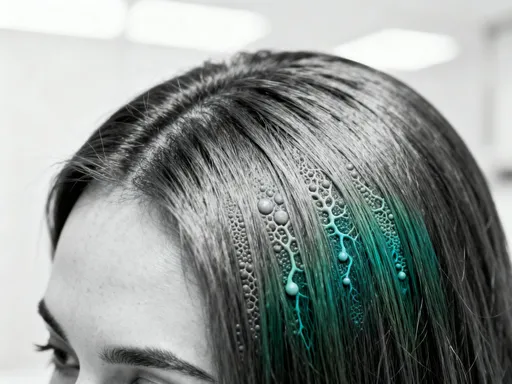
What If Your Hair Could Reflect Your Health? An Inside Look
Hair isn’t just about looks—it’s a mirror of what’s happening inside your body. For years, I ignored my thinning strands until a nutritionist pointed out the real issue: imbalance. Hormones, diet, stress—they all show up in your scalp. What if managing your health could actually transform your hair? This is not about quick fixes, but long-term, science-backed care that starts from within. Hair changes often arrive silently, without warning, yet they can signal deeper shifts in energy, immunity, and hormonal stability. Recognizing these signs early allows for proactive steps toward wellness, making hair not just a feature, but a vital clue to overall health.
The Hidden Connection Between Hair and Overall Health
Hair is more than a cosmetic trait—it functions as a visible indicator of internal well-being. Each strand grows from a follicle rooted deep in the scalp, drawing nutrients and signals from the bloodstream. Because hair cells divide rapidly, they are highly sensitive to changes in the body’s biochemical environment. When nutrient stores dip, hormones fluctuate, or metabolic processes slow, the effects often appear in hair texture, thickness, and growth rate. Thinning, increased shedding, brittle strands, or a lack of shine are not merely signs of aging or genetics; they may reflect underlying imbalances that warrant attention.
Medical understanding recognizes hair as a potential biomarker. For instance, prolonged iron deficiency can lead to diffuse hair loss, even before anemia is formally diagnosed. Similarly, disruptions in thyroid hormones—whether too high or too low—frequently manifest as dry, brittle hair or noticeable shedding. Blood sugar instability and chronic inflammation also influence the hair growth cycle, sometimes pushing follicles prematurely into the resting phase. These connections underscore that hair health is not isolated but integrated with the body’s broader physiological state.
What makes this relationship powerful is its responsiveness. Unlike some internal conditions that remain hidden for years, hair offers visible feedback, often within weeks or months of a shift in health. A sudden increase in hair on the brush, a widening part, or a change in curl pattern can prompt reflection: Has sleep been poor? Has stress been high? Has the diet changed? While not every variation indicates a serious issue, persistent or dramatic changes should be viewed as signals, not just cosmetic concerns. Recognizing hair as part of the body’s communication system empowers individuals to respond with curiosity and care.
Why Modern Lifestyles Are Secretly Damaging Hair
Modern life, with its fast pace and constant demands, often comes at a cost to long-term health—including hair vitality. Chronic stress, irregular sleep patterns, and diets high in processed foods create a biological environment that undermines hair growth. The body’s stress response, governed by the hypothalamic-pituitary-adrenal (HPA) axis, triggers cortisol release. While short-term cortisol spikes are normal, sustained elevation can disrupt the hair cycle, pushing growing hairs into the shedding phase. This phenomenon, known as telogen effluvium, is increasingly common among women managing multiple roles at home and work.
Sleep is another pillar often compromised in busy schedules. During deep sleep, the body repairs tissues, balances hormones, and supports cellular regeneration—including in hair follicles. Disrupted or insufficient sleep interferes with these processes, reducing the time available for follicular recovery and growth. Over time, this can lead to slower regrowth, weaker strands, and a thinner appearance. The connection between rest and resilience is not just theoretical; many women report improved hair texture after prioritizing consistent, quality sleep.
Diet plays an equally critical role. The shift toward convenience foods—high in refined carbohydrates, sugars, and unhealthy fats—contributes to systemic inflammation and oxidative stress. These conditions damage cells throughout the body, including those responsible for hair production. Inflammation can impair blood flow to the scalp, while oxidative stress generates free radicals that weaken hair proteins. Moreover, poor gut health, often linked to low fiber and high sugar intake, hampers the absorption of essential nutrients. Even if someone consumes iron-rich foods, for example, an imbalanced gut microbiome may limit how much is actually absorbed. This hidden barrier underscores why dietary quality matters more than isolated nutrients.
Nutrition: The Real Fuel for Strong, Healthy Hair
If hair is built from the inside out, then nutrition is its foundation. The protein keratin forms the structural base of each strand, meaning adequate dietary protein is non-negotiable. However, protein alone is not enough. Hair growth depends on a symphony of nutrients, each playing a specific role. Iron, for example, supports oxygen transport to follicles, and low levels are frequently linked to hair thinning in women of reproductive age. Good sources include lentils, spinach, lean meats, and fortified grains, especially when paired with vitamin C-rich foods to enhance absorption.
Zinc is another key player, involved in DNA and protein synthesis necessary for hair cell division. Oysters, pumpkin seeds, chickpeas, and cashews provide natural sources. Biotin, often marketed in supplements, is important but rarely deficient in those eating a balanced diet. It assists in converting nutrients into energy and supports keratin infrastructure. Whole eggs, almonds, sweet potatoes, and salmon contain biotin alongside other beneficial compounds. Omega-3 fatty acids, found in fatty fish, flaxseeds, and walnuts, nourish the scalp, reduce inflammation, and contribute to natural shine and moisture.
Rather than focusing on single nutrients or trendy superfoods, a holistic eating pattern delivers the best results. Diets rich in colorful vegetables, whole grains, legumes, lean proteins, and healthy fats provide the broad spectrum of vitamins and minerals needed for sustained hair health. Antioxidants from berries, leafy greens, and nuts combat oxidative stress, while adequate hydration ensures optimal cellular function. The goal is not perfection but consistency—small, sustainable choices that add up over time. Replacing sugary snacks with fruit and nuts, choosing whole grains over refined ones, and cooking at home more often can collectively create a nourishing internal environment.
Supplements may seem like a shortcut, but they are not a substitute for real food. Without a diagnosed deficiency, excessive intake of certain nutrients—like selenium or vitamin A—can actually contribute to hair loss. The body absorbs and utilizes nutrients more effectively from whole foods, where they exist in balanced, bioavailable forms. When considering supplementation, it is wise to consult a healthcare provider and base decisions on blood work, not marketing claims. True nourishment comes from a varied, balanced diet that supports the entire body, with healthy hair as one of its visible rewards.
Hormones and Hair: What You’re Not Being Told
Hormones act as the body’s messengers, regulating everything from mood to metabolism—and hair growth. The thyroid gland, for example, produces hormones that control cellular activity. Hypothyroidism, or underactive thyroid, often leads to dry, coarse hair and increased shedding, while hyperthyroidism can cause fine, fragile strands. Because thyroid imbalances affect energy, weight, and temperature regulation, hair changes may be one of several clues pointing to a deeper issue. Women in their 30s to 50s are particularly susceptible, making awareness crucial.
Cortisol, the primary stress hormone, also exerts a powerful influence. Chronic stress keeps cortisol levels elevated, which can shorten the hair growth phase and trigger shedding several months later. This delayed response often makes it difficult to connect the dots—someone may not link a major life event from three months prior to sudden hair loss. Understanding this timeline helps remove confusion and self-blame, reframing the experience as a physiological response rather than a personal failing.
Sex hormones—estrogen, progesterone, and testosterone—play complex roles in hair health. During pregnancy, high estrogen levels prolong the growth phase, leading to thicker, fuller hair. After childbirth, hormone levels drop sharply, often resulting in temporary but noticeable shedding. Similarly, the transition into perimenopause and menopause brings hormonal shifts that can alter hair density and texture. Some women experience thinning at the crown, while others notice coarser facial hair due to changing ratios of androgens. These changes are normal, but they can be managed with a supportive lifestyle and medical guidance when needed.
It is important to avoid self-diagnosis. Symptoms overlap across conditions, and only a healthcare provider can interpret blood tests and clinical signs accurately. However, paying attention to patterns—such as shedding after illness, stress, or hormonal transitions—can prompt timely conversations with a doctor. Hormonal health is not something to fear but to understand, and hair can serve as an early barometer of these internal shifts.
Daily Habits That Make or Break Your Hair’s Health
While internal factors set the stage, daily routines can either support or undermine hair health. Common practices like frequent heat styling, tight ponytails, overwashing, and chemical treatments may seem harmless but can contribute to long-term damage. Heat tools such as flat irons and curling wands weaken the hair shaft by disrupting its protein structure, especially when used daily without protection. Over time, this leads to split ends, breakage, and a lack of elasticity. Reducing heat exposure and using tools on lower settings can preserve strength and integrity.
Tight hairstyles—braids, buns, or ponytails worn consistently—exert constant tension on follicles, a condition known as traction alopecia. This is particularly concerning when styles are worn daily or pulled tightly. Gradual hairline recession may occur, especially at the temples. Looser styles, varied partings, and protective but gentle updos help minimize strain. Similarly, excessive brushing or rough towel-drying can lead to unnecessary breakage. Using a wide-tooth comb and patting hair dry with a soft fabric reduces mechanical stress.
Washing frequency is another area where balance matters. Overwashing strips the scalp of natural oils, leading to dryness and irritation. On the other hand, infrequent cleansing can allow buildup of sebum and product residue, potentially clogging follicles. The ideal routine varies by hair type and lifestyle, but most benefit from washing two to four times per week. Choosing gentle, sulfate-free shampoos and conditioners supports scalp health without harsh detergents.
Scalp care is often overlooked but essential. A healthy scalp provides the foundation for strong hair growth. Regular massage improves circulation, delivering oxygen and nutrients to follicles. Natural oils like coconut or jojoba may help moisturize, though individual responses vary. The key is consistency—small, mindful habits practiced regularly yield better results than occasional intensive treatments. Treating hair with respect, not aggression, aligns with the body’s natural rhythms and promotes lasting resilience.
When to Seek Professional Help: Listening to Your Body’s Signals
Everyone experiences some degree of hair shedding—it’s a normal part of the growth cycle. However, certain signs indicate it’s time to seek professional evaluation. Sudden or patchy hair loss, rapid thinning over a short period, or bald spots are not typical and may point to conditions such as alopecia areata, hormonal disorders, or nutritional deficiencies. Scalp changes like redness, scaling, or itching could signal dermatological issues like seborrheic dermatitis or psoriasis, which require targeted treatment.
Self-diagnosis can lead to unnecessary worry or delayed care. Online searches often amplify fears, equating common shedding with rare diseases. Instead, a consultation with a healthcare provider offers clarity. A doctor can review medical history, assess symptoms, and order blood tests to check iron, thyroid function, vitamin D, and other relevant markers. These tests provide objective data, helping to distinguish between temporary imbalances and underlying conditions.
Early intervention improves outcomes. Identifying and addressing a deficiency or hormonal shift early can prevent prolonged hair loss and support regrowth. A registered dietitian can help optimize nutrition, while a dermatologist specializes in hair and scalp disorders. Working with professionals ensures that care is personalized, safe, and evidence-based. Seeking help is not an overreaction—it’s an act of self-respect and proactive health management.
Building a Sustainable Hair Health Routine for Life
Hair wellness is not a short-term project but a lifelong commitment to self-care. It involves honoring the body’s needs through balanced nutrition, stress management, restful sleep, and gentle daily habits. Unlike quick-fix solutions that promise instant results, sustainable care focuses on consistency and holistic well-being. When hair is viewed as a reflection of health, the motivation shifts from appearance to vitality. The goal becomes not just thicker hair, but a stronger, more resilient body.
Creating a realistic routine means integrating small, manageable changes. This might include adding a serving of leafy greens to daily meals, practicing five minutes of deep breathing, or switching to a silk pillowcase to reduce friction. These actions, though simple, accumulate into meaningful impact over time. Tracking progress can be helpful—not through daily mirror checks, but by noticing energy levels, sleep quality, and overall mood. These are all interconnected, and improvements in one area often support gains in others.
Patience is essential. Hair grows slowly, about half an inch per month, and changes take months to become visible. Discontinuing harmful habits, correcting nutrient gaps, and stabilizing hormones require time to show results. Trusting the process, rather than chasing trends, leads to lasting transformation. It’s also important to practice self-compassion. Hair changes are not a measure of worth, and fluctuations are a natural part of life’s stages.
In the end, healthy hair is not about perfection but balance. It’s about listening to the body, responding with care, and making choices that support long-term well-being. When nurtured from within and treated with kindness from the outside, hair can become a true reflection of a life lived with intention and health. This is not vanity—it’s vitality. And that kind of beauty lasts far beyond the surface.