Hiking Hobart’s Hidden Trails with a View of History
You know that feeling when nature and history collide in the most unexpected way? Hiking around Hobart, I stumbled upon trails that led not just through misty eucalyptus forests and rugged peaks, but straight toward stunning landmark buildings frozen in time. This is insane—lush wilderness wrapping around colonial-era structures like they’ve been guarding them for centuries. If you think hiking is just about the climb, wait until you see Tasmania’s capital from these vantage points. It’s not just a workout—it’s a journey through layers of landscape and legacy. The city, nestled between the Derwent River and the towering presence of kunanyi/Mount Wellington, offers an extraordinary blend of natural beauty and historical depth. Here, every trail seems to whisper stories of the past while cradling the present in green arms.
Why Hobart? The Allure of a Compact Wilderness Capital
Hobart is unlike any other Australian capital city. It doesn’t sprawl endlessly under concrete and glass. Instead, it curls gently around its harbor, hemmed in by hills and forests that begin just blocks from the central business district. This unique geography makes it one of the most accessible urban wilderness experiences in the country. Within ten minutes of leaving Salamanca Place, you can be walking beneath towering gum trees, the sounds of the city fading behind you like a distant memory. What sets Hobart apart is how seamlessly its historical identity is woven into this natural setting. The city is home to UNESCO-listed historic areas, including parts of the Port Arthur Historic Site and the Cascades Female Factory, both remnants of Australia’s colonial past. These sites aren’t tucked away in museums—they’re embedded in the landscape, often visible from hiking trails that wind through native bushland.
The juxtaposition of old and wild is striking. Georgian cottages with sandstone foundations sit just below forested slopes where wallabies dart between tree trunks. Old government buildings, their brickwork softened by decades of coastal weather, are framed by eucalyptus canopies that shift from silver to green depending on the light. This harmony between built heritage and natural environment creates a hiking experience that’s as intellectually enriching as it is physically rewarding. For visitors, especially those who appreciate quiet reflection and cultural depth, Hobart offers something rare: the chance to explore history not through glass cases and plaques alone, but through immersive, ground-level encounters with place.
What makes this possible is the city’s compactness. Unlike larger capitals where nature feels like an escape, in Hobart, wilderness is part of the urban fabric. The city’s planning has preserved green corridors and walking tracks that connect neighborhoods to parks and peaks. This design philosophy means that even a short hike can deliver a profound sense of remoteness. Whether you're walking through the Royal Tasmanian Botanical Gardens or ascending the lower slopes of kunanyi, you’re never far from a moment of stillness, a view of the river, or a glimpse of a heritage building standing sentinel in the distance. For families, retirees, or anyone seeking meaningful travel at a gentle pace, Hobart’s blend of accessibility and authenticity is deeply appealing.
Mount Wellington: The Iconic Ascent with a City at Its Feet
No visit to Hobart is complete without a journey up kunanyi/Mount Wellington, the mountain that watches over the city like a quiet guardian. Standing at 1,271 meters, it offers one of the most breathtaking panoramic views in Australia. The Skyline Track, a well-maintained loop trail near the summit, is the most popular route for hikers seeking both challenge and reward. The path begins at the Pinnacle car park and winds through alpine vegetation, rocky outcrops, and stands of ancient pencil pine. What makes this hike extraordinary isn’t just the altitude or the crisp mountain air—it’s the way the city unfolds below like a living map. On a clear day, you can see the full sweep of Hobart’s historic core, from the curved rooftops of Battery Point to the spire of St. David’s Cathedral rising above the skyline.
Equally compelling is the view of the former Hobart Penitentiary, a stone fortress that once housed convicts in the 19th century. From this height, it appears almost miniature, yet its presence is unmistakable—a reminder of the city’s layered past. The contrast between the untamed mountain terrain and the orderly grid of the city is striking. To the east, the Derwent River glimmers, flanked by colonial-era warehouses turned galleries and cafes. To the west, the wilderness stretches uninterrupted toward the Southern Ocean. The changing light enhances this experience: at sunrise, the city is bathed in gold, while at sunset, the buildings glow amber against the cooling blue of the harbor.
Trail conditions vary with the seasons. Winters can bring snow and icy patches, making sturdy boots and caution essential. Summers are milder but often windy, so layers are recommended. The best times to hike are early morning or late afternoon, when the light is soft and the crowds are thinner. Many hikers time their ascent to catch the golden hour, when the sun casts long shadows across the valley and historic buildings stand out in sharp relief. For those who prefer a less strenuous option, the road to the summit is open to vehicles, but walking—even a short section of the track—adds a sense of achievement and connection to the landscape. The Skyline Track is not just a physical journey; it’s a visual narrative of how Hobart has grown within, and alongside, its natural setting.
The Convict Trail: Where History Walks Beside You
One of the most emotionally resonant hikes near Hobart follows the foothills surrounding the Cascades Female Factory Historic Site, a UNESCO World Heritage-listed complex that once served as a prison for female convicts. Established in 1828, the site is a powerful testament to Australia’s colonial history, where thousands of women were sentenced to hard labor under harsh conditions. Today, the preserved buildings—low sandstone walls, arched doorways, and slate roofs—are surrounded by native bushland, creating a poignant contrast between human suffering and natural resilience. Several walking trails in the Fern Tree and Mount Nelson areas offer views of the factory from above, allowing visitors to reflect on its history from a contemplative distance.
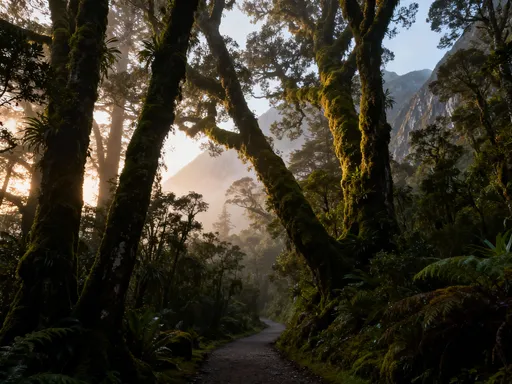
The trail from Fern Tree up to the Pipeline Track, for example, passes through cool temperate rainforest, where tree ferns unfurl like green fountains and birdsong fills the air. As you climb, the canopy opens, and suddenly, the red roofs of the Female Factory emerge below, framed by towering gums and the soft haze of the valley. This vantage point transforms the site from a static museum into a living part of the landscape. It’s impossible not to wonder about the women who once looked up at these same hills, dreaming of freedom. The hike doesn’t just offer physical exercise—it fosters empathy, connecting the present with the past through the quiet power of place.
Interpretive signs along the route provide historical context, but the real impact comes from the atmosphere. The silence, broken only by wind and birds, amplifies the weight of history. Some visitors choose to pause at a bench overlooking the site, reading a quote from a convict’s journal or simply sitting in reflection. This kind of slow, mindful hiking is especially meaningful for older travelers or those seeking depth in their journeys. The trail is moderate in difficulty, with well-marked paths and gentle inclines, making it accessible to most fitness levels. It’s also a place where families can talk about history in a tangible way, helping younger generations understand the complexities of the past without overwhelming them.
Sandy Bay to Bellerive: Coastal Paths and Colonial Mansions
For a gentler hiking experience, the coastal trails between Sandy Bay and Bellerive offer a scenic and historically rich alternative. These walks follow the eastern shore of the Derwent River, where the water reflects the sky in shifting shades of blue and gray. The path, part of the larger Riverview Trail network, is mostly flat and well-paved, ideal for a relaxed stroll or a morning walk with coffee in hand. What makes this route special is the way heritage homes emerge unexpectedly through the trees—grand Georgian and Victorian-era mansions with wide verandas, intricate iron lacework, and manicured gardens. Many of these buildings date back to the 1800s, when wealthy merchants and officials built summer residences along the waterfront.
Walking this path feels like moving through a living archive. The houses are not behind fences or hidden from view; they are part of the neighborhood’s rhythm, their histories quietly present in weathered brick and restored windows. Some have been converted into guesthouses or community spaces, while others remain private homes, their owners preserving the architectural character. The contrast between the stillness of the river and the elegance of the buildings creates a peaceful, almost timeless atmosphere. It’s a favorite route for locals, especially retirees and parents with strollers, who appreciate the ease of the terrain and the beauty of the surroundings.
Along the way, benches offer places to rest and take in the view. On clear days, kunanyi looms in the distance, its peak often dusted with snow. The interplay of natural and built beauty here is subtle but powerful. Unlike the dramatic vistas of Mount Wellington, this trail invites a slower kind of noticing—the curve of a gabled roof, the reflection of a chimney in the water, the way light filters through gum trees onto a sandstone wall. It’s a reminder that history isn’t always found in grand monuments; sometimes, it lives in the quiet details of everyday places. For visitors who want to experience Hobart’s heritage without a strenuous climb, this coastal walk delivers both comfort and charm.
Kunanyi’s Secret Routes: Off-the-Beaten-Path Perspectives
While the Skyline Track draws the most visitors, some of the most rewarding views of Hobart’s historic core come from lesser-known trails that few tourists explore. The back routes of the Pinnacle Circuit, for instance, offer a quieter, more immersive experience. These paths dip into gullies and climb through heathland, opening suddenly onto viewpoints where the city appears in unexpected configurations. From the northern edge of the Longley Loop, hikers can see the entire length of the Derwent River, with the Richmond Bridge—a 19th-century sandstone arch—visible in the far distance. This kind of perspective makes familiar landmarks feel new, as if seeing them for the first time.
Another hidden gem is the Mount Nelson Lookout Track, which starts near a residential neighborhood and ascends through dense bushland. Halfway up, a clearing reveals a direct line of sight to St. David’s Cathedral and the Hobart General Post Office, their spires standing out against the green slopes. These off-the-beaten-path trails are not marked as prominently as main routes, so carrying a map or using an offline navigation app is advisable. They are generally well-maintained but may have uneven surfaces, so sturdy footwear is essential. The solitude they offer, however, is priceless. You’re likely to encounter only a few fellow hikers, perhaps a local dog walker or a birdwatcher with binoculars.
Seasonal changes also affect these trails. In spring, wildflowers bloom in bursts of pink and yellow, while autumn brings a soft golden hue to the eucalyptus leaves. Winter fog can obscure views, but it also adds a mystical quality, with buildings appearing and disappearing like ghosts in the mist. These secret routes reward patience and curiosity. They’re perfect for repeat visitors who want to go deeper, or for those who prefer a more personal connection with the landscape. Each turn in the path feels like a discovery, not just of scenery, but of history seen from a fresh angle.
Hiking with Purpose: Connecting Landscape and Legacy
Hiking in Hobart becomes more than recreation when it’s paired with cultural awareness. The city’s trails offer a rare opportunity to engage with history through movement and observation. When you pause at a viewpoint to read a plaque about the Cascades Female Factory, or when you photograph the way sunlight hits the stone walls of a 19th-century courthouse, you’re not just capturing an image—you’re participating in a story. This kind of mindful hiking transforms a physical journey into an emotional and intellectual one. It’s especially meaningful for women, many of whom feel a deep connection to the stories of resilience told at sites like the Female Factory.
Carrying a small guidebook or downloading a heritage walking app can enrich the experience without detracting from the peace of the trail. These resources provide context—dates, names, historical events—that help hikers understand what they’re seeing. But the real power lies in the act of slowing down. In a world that often feels rushed, hiking allows time to absorb not just the beauty of a view, but the weight of what it represents. For families, it’s a way to teach children about history in a way that feels real and immediate. For older adults, it’s a chance to reflect on time, change, and continuity.
There’s also a sense of stewardship that grows from these experiences. When you see how well-preserved buildings are embraced by nature, you begin to understand the importance of protecting both. The trails themselves are maintained by volunteers and park staff, a reminder that access to these spaces is a shared responsibility. Hiking with purpose means not just enjoying the view, but respecting it—staying on marked paths, avoiding litter, and honoring the significance of historic sites. In this way, every step becomes an act of care, for the land and for the stories it holds.
Practical Tips for the Heritage Hiker
To make the most of Hobart’s heritage trails, preparation is key. The weather in Tasmania is famously changeable, so dressing in layers is essential. A waterproof jacket, moisture-wicking base layer, and sturdy hiking boots will serve you well on any trail. Even on sunny days, temperatures can drop quickly at higher elevations, especially on kunanyi. It’s wise to carry a small backpack with water, snacks, a map, and a first-aid kit. Sun protection is also important—hats, sunglasses, and sunscreen should not be overlooked, even on overcast days.
Timing your hike can greatly enhance the experience. Early mornings are ideal for avoiding crowds and catching the best light on historic buildings. Weekdays tend to be quieter than weekends, especially at popular spots like the Skyline Track. If you’re using public transport, Hobart’s Metro bus system connects to key trailheads, including the route to Mount Wellington. The 507 and 508 buses run regularly from the city center, making car-free hiking accessible. For those driving, parking is available at major trailheads, but it can fill up quickly on weekends.
Respect for heritage sites is crucial. These are not just scenic backdrops—they are places of historical significance. Visitors should stay on designated paths, avoid touching or climbing on old structures, and never remove natural or cultural materials. The principle of “leave no trace” applies fully: pack out all rubbish, keep noise levels low, and be mindful of other hikers. Dogs are allowed on some trails but must be kept on a leash, and not all historic sites permit them. Checking local guidelines before your hike ensures a smooth and respectful experience.
Finally, consider combining your hike with a visit to a local café or museum. Many trails end near historic neighborhoods like Battery Point or Sandy Bay, where you can warm up with a cup of tea and reflect on what you’ve seen. The Museum of Old and New Art (MONA) is also within reach, offering a modern contrast to the colonial architecture you’ve been exploring. By blending nature, history, and comfort, your day in Hobart becomes a fully rounded experience—one that lingers in memory long after the hike is over.
Hobart’s unique magic lies in the way its history is not preserved behind glass, but lived within the landscape. Hiking here is more than a physical challenge—it’s an invitation to see how the past and present coexist in harmony. From the summit of kunanyi to the quiet lanes of Bellerive, every trail offers a new perspective on buildings that have stood for centuries, now embraced by forest and river. This is not just sightseeing; it’s storytelling through movement. So tie your boots, bring your curiosity, and step onto the path. Let the hills guide you, the views inspire you, and the echoes of history walk beside you. In Hobart, every hike is a journey through time.