You Won’t Believe What Hamburg’s Food Scene Just Did
Hamburg’s dining culture is no longer just about fish sandwiches and beer. It’s evolving into something wild, unexpected, and totally shareable. I walked through its cobblestone alleys and floating districts, chasing flavors that blew my mind—think seafood towers on historic harbors, underground fusion kitchens, and Michelin-recognized street food. This isn’t just eating; it’s experiencing the city’s soul. If you’re coming for the views, stay for the meal—because what’s on the plate might just go viral before you finish it.
The Rise of Hamburg’s Culinary Identity
Hamburg has long been celebrated as Germany’s maritime gateway, where the Elbe River opens to the North Sea and centuries of global trade have shaped its character. Yet, until recently, the city’s food reputation rested largely on hearty port-town staples: smoked fish, pickled herring, Labskaus, and the ever-present currywurst. While these dishes still hold cultural pride, a new chapter in Hamburg’s culinary story is unfolding—one defined by bold innovation, cultural fusion, and a deep respect for local ingredients. The city’s transformation from a functional food stop for sailors and traders into a recognized gourmet destination reflects a broader shift in how Germans view regional cuisine. No longer confined to tradition, Hamburg’s chefs are reimagining heritage dishes with global techniques, creating a dynamic food identity that feels both rooted and revolutionary.
This evolution is not accidental. Hamburg’s history as a free imperial city and major trading hub brought spices, ingredients, and culinary influences from across the world long before globalization became a buzzword. Today, that legacy lives on in neighborhoods like Altona and St. Pauli, where Turkish, Vietnamese, and Scandinavian flavors blend seamlessly with German craftsmanship. The city’s multicultural population—nearly one-third of Hamburg residents have a migration background—has naturally influenced the restaurant scene, fostering a culture of experimentation and inclusivity. Local pride now manifests not in preserving the past unchanged, but in honoring it through reinvention. A fish sandwich at a harbor kiosk might still be served on rye, but now it’s topped with wasabi mayo and pickled daikon, a nod to the city’s Japanese community and its love for bold contrasts.
What sets Hamburg apart from other European food cities is its balance of accessibility and ambition. Unlike Paris or Copenhagen, where fine dining often demands formal attire and a reservation months in advance, Hamburg’s top kitchens welcome guests in jeans and raincoats. This relaxed elegance—gourmet without gatekeeping—has become a hallmark of the city’s approach. Chefs speak of “food with soul,” where the story behind a dish matters as much as its presentation. Whether it’s a fisherman’s stew made with Elbe eel or a dessert inspired by the maritime weather charts of the 19th century, each plate carries a narrative. This storytelling dimension elevates the dining experience from mere consumption to cultural participation, inviting visitors not just to eat, but to understand.
Altona & Sternschanze: Where Street Bites Become Legends
If Hamburg’s culinary renaissance has a heartbeat, it pulses strongest in the districts of Altona and Sternschanze. These neighborhoods, once working-class enclaves on the city’s western edge, have emerged as epicenters of creative food culture. Here, street food is not a trend—it’s a way of life. Weekend markets buzz with energy, pop-up kitchens operate out of repurposed shipping containers, and long-standing family-run eateries serve dishes that have become local legends. The food here is unapologetically bold, deeply flavorful, and refreshingly free of pretense. It’s where chefs test new ideas, where food trucks become institutions, and where the line between high and low cuisine dissolves completely.
One of the most celebrated spots in Sternschanze is the Markthalle 9, a restored 19th-century market hall that now hosts over 30 vendors offering everything from hand-rolled dumplings to wood-fired sourdough pizza. On any given Saturday, the air fills with the scent of cumin, smoked paprika, and fresh herbs as cooks from Turkey, Syria, and Morocco serve spiced lamb wraps and falafel made with chickpeas soaked overnight. Yet, this is not just an immigrant food scene—it’s a true fusion, where German bakers collaborate with Korean chefs to create kimchi sauerkraut, and where a traditional currywurst stand now offers a vegan version made with beetroot sausage and curry ketchup fermented in-house. This blending of traditions reflects Hamburg’s larger cultural ethos: open, curious, and always evolving.
Equally compelling is Altona’s quieter, more residential charm, where hidden gems await those willing to wander beyond the main avenues. A nondescript storefront might house a tiny doner kebab shop that’s been serving the same recipe for 30 years, its meat slow-roasted on a vertical spit and sliced thin, then wrapped in freshly baked flatbread with crisp onions and a tangy garlic yogurt sauce. Locals line up before noon, not for spectacle, but for consistency and quality. These are the kinds of places that rarely appear on tourist maps but are essential to understanding Hamburg’s food soul. They represent a culture where excellence is measured not by Instagram aesthetics, but by the loyalty of regulars and the depth of flavor in every bite.
Speicherstadt’s Secret Dining Experiences
Winding through the heart of Hamburg’s old port, the Speicherstadt district stands as one of the largest contiguous warehouse complexes in the world. A UNESCO World Heritage site, its red-brick Gothic Revival buildings rise above a network of canals, their reflections shimmering in the water like something from a 19th-century engraving. Once used to store tea, spices, and cocoa from distant colonies, these warehouses now serve a different purpose: they are home to some of the city’s most exclusive and imaginative dining experiences. Here, food is not just served—it’s performed, layered with history, atmosphere, and a sense of discovery.
One of the most sought-after reservations in Hamburg is for a long-table dinner inside a restored spice vault beneath one of the original warehouse buildings. Accessed through a discreet door off a quiet canal path, the space is candlelit, with wooden beams overhead and shelves lined with antique jars of cinnamon, cloves, and vanilla. Guests are guided through a multi-course meal where each dish is paired with a story about the spice it features. A duck breast glazed with star anise might be followed by a dessert of cardamom-poached pear, each course introduced by a historian-chef who explains how these ingredients once traveled thousands of miles to reach Hamburg’s docks. It’s an immersive experience that turns dinner into a journey through time and trade.
Beyond private dinners, the Speicherstadt also hosts guided culinary walks that blend tasting with storytelling. One popular tour, led by a local food anthropologist, takes small groups through the district’s hidden passages, stopping at micro-kitchens and artisanal producers. Participants sample house-cured anchovies, hand-ground cocoa, and spiced tea blends made from original trade recipes. These tours are not just about flavor—they’re about context. They reveal how Hamburg’s identity was shaped by what passed through its warehouses, how global commerce influenced local taste, and how today’s chefs are drawing inspiration from that legacy. For visitors, it’s a rare chance to taste history, not just food.
Floating Restaurants on the Elbe: Dinner with a View
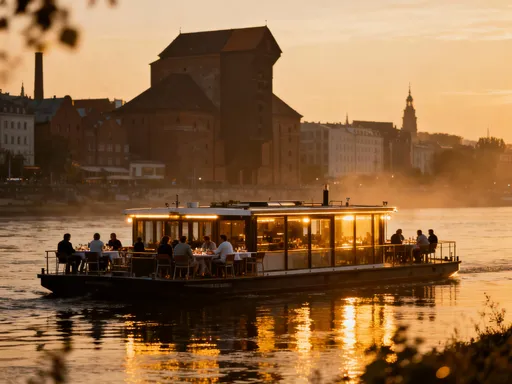
One of Hamburg’s most distinctive culinary innovations is its fleet of floating restaurants—dining spaces moored along the Elbe River, offering panoramic views of the city’s skyline and the constant motion of cargo ships and passenger ferries. These aren’t tourist gimmicks; they are serious kitchens serving sophisticated, seasonally driven menus that reflect Hamburg’s dual identity as a maritime city and a modern European capital. From converted cargo barges to sleek, glass-walled vessels, these restaurants provide an experience that is equal parts scenic, social, and gastronomic.
One standout is a barge-turned-restaurant near the HafenCity district, where Nordic-German fusion cuisine takes center stage. The menu changes monthly, dictated by what’s fresh from the North Sea and local farms. A recent summer offering included smoked eel with apple foam and dill oil, a dish that balances the richness of the fish with the brightness of summer fruit. Another favorite is beet-cured salmon with horseradish crème and rye crispbread, a modern take on a Scandinavian classic. The kitchen operates in a compact but fully equipped space below deck, with chefs working in close quarters yet delivering plated dishes that rival those in land-based Michelin spots.
What makes these floating restaurants special is not just the food, but the atmosphere. As the sun sets over the Elbe, the sky turns pink and gold, reflecting off the glass facades of the new Elbphilharmonie concert hall. Guests dine under heated canopies or in open-air seating, sipping local craft beers or crisp Rieslings from the Mosel region. The gentle rocking of the boat adds a subtle sense of movement, reminding diners that they are on water, part of the city’s living river culture. Booking in advance is essential, especially during summer weekends, and many restaurants offer combo tickets that include a harbor cruise before or after the meal—a perfect way to see Hamburg from the water while indulging in its finest flavors.
Michelin and the New Wave of Casual Fine Dining
Hamburg’s inclusion in the Michelin Guide has brought international recognition, but what’s truly remarkable is how the city’s awarded restaurants have redefined what fine dining means. Unlike traditional Michelin-starred establishments known for hushed rooms and rigid service, Hamburg’s top kitchens embrace informality, transparency, and connection. The philosophy is clear: excellence should not come at the cost of comfort. This new wave of casual fine dining has made gourmet experiences accessible to a broader audience, proving that you can have world-class food without the formality.
Take, for example, a two-star restaurant located in a converted factory building in the Karolinenviertel district. The space features an open kitchen where guests can watch chefs plate delicate compositions of foraged herbs, sea vegetables, and line-caught fish. The tasting menu, priced significantly below comparable experiences in Paris or London, includes dishes like roasted turbot with brown butter and wild sorrel, or venison with fermented black garlic and juniper ash. Service is attentive but warm, with servers who explain each course with genuine enthusiasm rather than rehearsed precision. The wine pairings, curated from small organic producers, are presented with stories about the vintners and their vineyards, deepening the sense of connection between plate and place.
This shift reflects a broader trend in German gastronomy: a move away from French-inspired formality toward a more personal, ingredient-driven approach. Hamburg’s Michelin-recognized chefs often source directly from local fishermen, farmers, and foragers, building relationships that ensure the highest quality and sustainability. Menus are short, seasonal, and responsive to what’s available—sometimes changing daily. This agility allows chefs to stay creative while maintaining integrity. For visitors, it means that every meal feels unique, not just in flavor but in spirit. Dining in these spaces isn’t about impressing others; it’s about being present, curious, and open to surprise.
The Fish Market Phenomenon: A Weekend Ritual Turned Must-See Event
No discussion of Hamburg’s food culture would be complete without the legendary Fish Market, or Fischmarkt, held every Sunday morning along the banks of the Elbe. What began as a practical gathering for fishermen to sell their catch has evolved into one of the city’s most vibrant and beloved traditions. From as early as 5 a.m., the area comes alive with vendors, music, and crowds bundled in raincoats and beanies, drawn by the promise of fresh seafood, strong coffee, and an unmistakable sense of community. It’s chaotic, loud, and utterly authentic—a sensory overload that captures the spirit of Hamburg in its rawest, most energetic form.
The heart of the market is the fish stalls, where oysters are shucked on ice, smoked mackerel is sliced to order, and bratwurst sizzles on grills. The most iconic dish is the Fischbrötchen—a simple sandwich of fish (often rollmops or pickled herring) on a soft white roll with onions and remoulade. It’s not fancy, but it’s perfect: cold, tangy, and satisfying, best eaten while walking along the harbor. Beyond seafood, the market offers a wide range of treats: warm pretzels, spiced nuts, fresh fruit, and strong Turkish coffee served in porcelain cups. Live music—usually a brass band or folk singer—adds to the festive atmosphere, creating a party-like vibe that builds as the morning progresses.
For first-time visitors, navigating the Fischmarkt can be overwhelming. The best advice is to arrive early—before 7 a.m.—to avoid the biggest crowds and get the freshest picks. Wear comfortable shoes and be prepared for unpredictable weather; the harbor is notoriously windy. While some stalls cater to tourists with inflated prices, others are frequented by locals who know exactly where to find the best deals. Following the longest line is often a good strategy—it usually leads to the most popular fish stand. And don’t be afraid to strike up a conversation; Hamburgers are generally friendly, especially when talking about food. By the time the market winds down around 9:30 a.m., visitors leave not just with full stomachs, but with a deeper appreciation for the city’s rhythms and rituals.
How to Eat Like a Local: Practical Tips for the Modern Food Traveler
To truly experience Hamburg’s food scene, it helps to think like a local. This means embracing the city’s pace, using public transit to explore beyond the center, and knowing when and where to find the best bites. Hamburg’s U-Bahn and S-Bahn systems are efficient and well-connected, making it easy to reach food hotspots in Altona, Eimsbüttel, or even the quieter residential areas where family-run bakeries and butcher shops thrive. Many of the best dining experiences happen off the beaten path, in unmarked doorways or courtyard spaces that require a bit of exploration to discover.
Understanding regional specialties is another key. Labskaus, a traditional sailor’s dish made from corned beef, potatoes, and beetroot, is an acquired taste but worth trying at a historic inn in St. Pauli. Aalsuppe, despite its name (which means “eel soup”), is actually a hearty fish stew with vegetables and sometimes a hint of cloves—perfect on a rainy day. For dessert, try Franzbrötchen, a caramelized, cinnamon-swirled pastry unique to Hamburg, best enjoyed warm with a cup of coffee.
Technology also plays a role in the modern food journey. Apps like Resy and TheFork allow diners to book tables at popular restaurants, while local platforms like Hamburg Essential and Markthalle News provide real-time updates on pop-ups, seasonal menus, and market events. Many underground kitchens and supper clubs announce their locations only through Instagram, so following a few key food influencers can unlock hidden experiences. For a seamless visit, consider combining a dining experience with a harbor cruise or a walk through Planten un Blomen park—Hamburg’s pleasures are best enjoyed slowly, with time to savor each moment.
In the end, Hamburg’s food scene is not just about what’s on the plate. It’s about connection—to history, to community, to the rhythm of the river and the pulse of the city. It’s a place where tradition and innovation coexist, where a fish sandwich can tell a story, and where every meal feels like an invitation to belong. As the world looks for authentic, meaningful travel experiences, Hamburg stands out as a city that feeds not just the body, but the soul. The question isn’t whether you’ll enjoy the food—it’s whether you’ll ever want to leave.