You Won’t Believe What I Found Shopping in Jeonju’s Hidden Natural Spots
Jeonju, South Korea, is more than just hanok villages and bibimbap—it’s a treasure trove where nature meets craftsmanship. Wandering through misty alleys and quiet mountain paths, I stumbled upon markets selling handcrafted goods born from the land itself. From wild-planted dyes to bamboo weavers, shopping here feels alive, rooted in natural wonders most travelers never see. This isn’t retail—it’s a sensory journey. Each step through the city’s quieter corners reveals a deeper connection between the environment and the objects created by those who live in harmony with it. The air carries the scent of mulberry bark, fermented indigo, and damp clay—subtle signs of an artisan culture nurtured by nature’s rhythm.
The Soul of Jeonju: Where Nature Shapes Culture
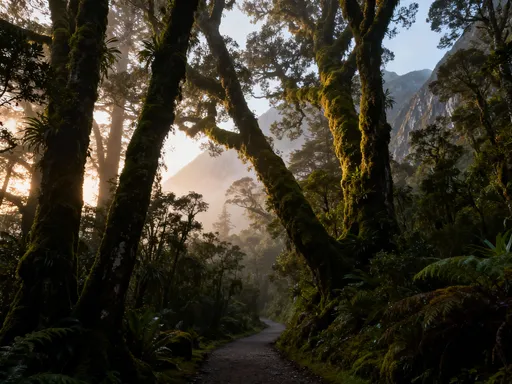
Jeonju’s identity is inseparable from its natural surroundings. Nestled in the fertile Jeolla Province, the city is cradled by rolling hills, clear mountain streams, and lush forests that have long supported agriculture, herbal medicine, and traditional crafts. Unlike urban centers that have distanced themselves from the land, Jeonju maintains a quiet balance between modern life and ecological awareness. Its green spaces are not afterthoughts—they are integral to daily living. Parks like Namsan and Gyeonggijeon’s garden preserve native flora and offer residents and visitors alike a chance to walk among pine, zelkova, and ginkgo trees that have stood for generations.
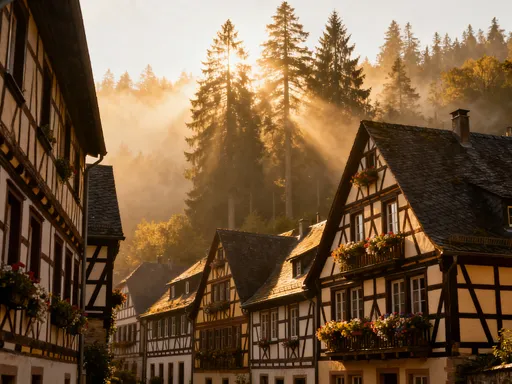
This deep-rooted relationship with nature shapes the city’s cultural expressions. The traditional hanok houses, with their curved tiled roofs and wooden frames, are designed to breathe with the seasons—cool in summer, warm in winter—using materials drawn directly from the region. Even the city’s layout follows the contours of the land, avoiding forced leveling or deforestation. This respect for the natural world is not performative; it is a quiet philosophy passed down through generations. As a result, the crafts produced here are not imitations of nature—they are extensions of it.
When visitors explore Jeonju’s artisan markets, they are not simply browsing souvenirs. They are encountering objects born from the same soil, water, and air that sustain the city’s people. A piece of hanji paper, for instance, begins as mulberry bark harvested from nearby groves. A ceramic bowl is shaped from clay dug from riverbanks just outside the city. These materials are not imported or industrialized—they are local, seasonal, and carefully processed. This authenticity is what makes shopping in Jeonju feel so different from commercial tourism. Every item carries the imprint of place, making it not just a purchase, but a meaningful exchange.
Hanok Village Markets: More Than Just Souvenirs
The heart of Jeonju’s craft scene beats strongest in the weekend markets of the Hanok Village. Every Friday through Sunday, narrow lanes lined with traditional homes transform into vibrant marketplaces where artisans display their work beneath handwoven canopies. The atmosphere is lively but never overwhelming—vendors greet passersby with quiet smiles, often inviting them to touch, smell, or try their products. Unlike mass-produced trinkets found in typical tourist zones, these goods are made in small batches, often by the very hands that crafted them.
One of the most striking offerings is hanji, the traditional Korean paper made from the inner bark of mulberry trees. Known for its durability and soft texture, hanji has been used for centuries in everything from clothing to architecture. Today, artisans in Jeonju continue the tradition, producing not only sheets of paper but also lamps, fans, and even delicate jewelry. The process is labor-intensive: the bark is boiled, beaten, and layered by hand, then sun-dried on flat stones. The result is a material that feels warm and alive, subtly varying in tone and thickness—a far cry from the sterile uniformity of machine-made paper.
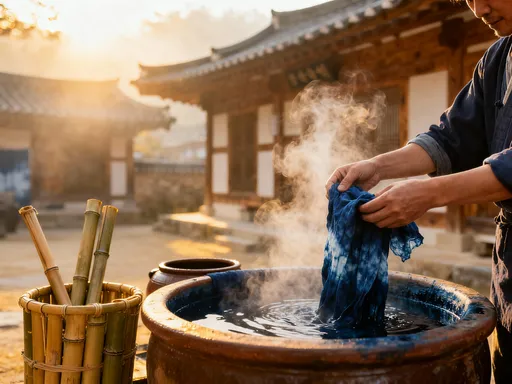
Textiles dyed with natural indigo are another highlight. Stalls display scarves, table runners, and jackets in deep blues that shift with the light—from oceanic midnight to soft twilight. These hues come not from chemical dyes but from fermented indigo leaves, grown in nearby fields. The dyeing process, known as jikso, can take days, with fabrics repeatedly dipped, oxidized, and dried to achieve the desired depth. Each piece bears slight imperfections—faint streaks or uneven tones—that are not flaws, but proof of its handmade origin.
Pottery, too, reflects the land’s influence. Local potters use clay sourced from the banks of the Dongjin River, a material rich in iron and minerals that gives their work a warm, earthy tone. Many pieces are wood-fired in traditional kilns, a method that produces unpredictable glazes and textures—some glossy, others matte, all unique. Visitors often leave with more than an object; they carry a sense of connection to the river, the fire, and the hands that shaped the clay.
Hidden Workshops in the Hills: Meeting the Makers
Beyond the well-trodden paths of the Hanok Village lie quieter neighborhoods where artisans work in modest studios, often tucked into the hillsides near Namsan Park. These spaces are not designed for mass tourism; they are places of practice, patience, and quiet dedication. A short walk from the main market area leads to clusters of small ateliers where bamboo weavers, papermakers, and herbalists continue traditions that have existed for centuries.
One such workshop belongs to a third-generation bamboo artisan who learned the craft from his grandfather. Using only hand tools and locally harvested bamboo, he creates baskets, tea trays, and even musical instruments. The bamboo is split, softened over fire, and woven with precision—each strand placed with intention. What might appear as simple basketry is, in fact, a complex interplay of flexibility, tension, and design. Visitors are often invited to observe, and some workshops offer short sessions where guests can try basic weaving under guidance. These experiences are not performances—they are genuine moments of cultural transmission.
Another hidden gem is a natural dye studio run by a woman who forages wild plants from the surrounding hills. In spring, she collects mugwort and wild indigo; in autumn, she gathers persimmon skins and galls from oak trees to create tannins for dyeing. Her small outdoor workspace is lined with jars of simmering plant matter, each producing a different hue—soft greens, warm browns, deep blacks. She explains how the quality of water, the time of harvest, and even the phase of the moon can affect the final color. This level of detail is not common knowledge, but it is essential to her craft.
These workshops are not easily found on standard tourist maps, but that is part of their charm. They are discovered through word of mouth, local recommendations, or quiet exploration. The artisans do not rely on high volume; they value meaningful interaction. Many speak limited English, but communication happens through gesture, demonstration, and shared focus. To visit these spaces is to slow down, to listen, and to appreciate the quiet dignity of making something by hand.
Seasonal Markets & Nature’s Influence on Design
In Jeonju, the rhythm of the seasons dictates not only agriculture but also the availability and design of artisan goods. Unlike commercial markets that offer the same products year-round, Jeonju’s craft economy is deeply seasonal. What you can buy in spring is different from what appears in autumn, and each item reflects the natural cycle of growth, harvest, and rest.
In early spring, when the hillsides begin to green, vendors offer soaps and balms infused with wild herbs like shepherd’s purse and garlic mustard. These plants are foraged at their peak and blended into skincare products that carry the freshness of the season. Herbalists explain how each ingredient supports wellness—soothing skin, boosting immunity, or calming the mind. The packaging is often minimal: reusable tins or cloth wraps, reinforcing the idea of sustainability.
By summer, the focus shifts to cooling items. Hand-fans made from dried reeds or hanji paper appear in market stalls, some painted with delicate ink illustrations of lotus flowers or cranes. These are not decorative novelties; they are functional objects designed for comfort in the humid heat. Similarly, lightweight linen garments dyed with indigo offer breathability and UV protection, blending tradition with practicality.
Autumn brings a rich harvest of persimmons, and with it, a unique craft: persimmon leather. Through a process of peeling, fermenting, and sun-drying, artisans transform the fruit into a pliable, parchment-like material used for small pouches, book covers, and even accessories. The resulting items have a warm, amber tone and a subtle fruity scent. This craft, nearly lost in modern times, is being revived by a small group of artisans committed to using every part of the harvest.
Winter markets are quieter but no less meaningful. Vendors sell hand-knitted wool items, beeswax candles, and ceramic tea sets designed for warmth and comfort. Some artisans offer workshops on making traditional mochi or drying herbs for tea, turning shopping into a participatory experience. The seasonal nature of these offerings reminds visitors that true craftsmanship is not about constant production, but about working in harmony with nature’s pace.
From Forest to Fabric: The Journey of Natural Materials
Understanding Jeonju’s crafts means tracing the journey of materials from their natural source to the finished product. This journey is not hidden—it is celebrated. Visitors are often encouraged to see where mulberry trees grow, where clay is harvested, or where indigo ferments in wooden vats. These processes are not industrialized; they are intimate, small-scale, and deeply tied to the land.
Mulberry trees, for example, are cultivated in small groves just outside the city. Their bark is harvested in winter when the sap is low, ensuring the tree’s survival. After stripping, the bark is boiled for hours until it softens, then beaten into fibers. These fibers are mixed with water and a natural adhesive from the roots of the dodder plant, then poured onto flat screens and sun-dried. The result is hanji—a paper so strong it can last centuries, yet so soft it feels like fabric.
Indigo dye follows a similarly meticulous path. The leaves are harvested in summer, soaked in water, and left to ferment for days. Lime is added to raise the pH, causing the indigo to separate and sink. The liquid is drained, and the remaining paste is dried into cakes. To use it, artisans dissolve the cake in water, submerge fabric, and expose it to air—each oxidation turning the cloth a deeper blue. The entire process can take over a week for a single piece, but the depth and richness of color are unmatched by synthetic dyes.
Clay is sourced from riverbanks, where it is dug by hand and sieved to remove impurities. After aging for months, it is wedged to remove air bubbles and then shaped on the wheel or by hand. Firing in wood-burning kilns can take over 24 hours, with temperature carefully controlled by feeding pine or oak. The ash from the wood settles on the pottery, creating natural glazes that vary with each firing—no two pieces are identical.
This transparency—from forest to fabric, river to bowl—invites consumers to see beyond the object to the ecosystem that made it possible. It transforms shopping from a transaction into a form of storytelling, where every material has a history and a purpose.
Shopping with Purpose: Supporting Sustainability and Tradition
When travelers choose to buy from Jeonju’s artisans, they are making more than a personal purchase—they are supporting a system of sustainability and cultural preservation. Each item represents hours of labor, generations of knowledge, and a commitment to ecological balance. Unlike mass-produced souvenirs that deplete resources and erase cultural identity, these crafts are made in ways that protect both the environment and the community.
Artisans in Jeonju often use renewable materials, minimize waste, and avoid synthetic chemicals. Leftover clay is recycled, fabric scraps are repurposed into patchwork, and plant dyes are composted after use. This circular approach reflects a broader philosophy: that human activity should not dominate nature, but coexist with it. By choosing these products, visitors align themselves with values of mindfulness, responsibility, and respect.
Moreover, purchasing directly from makers ensures that income stays within the local economy. Many artisans rely on seasonal markets and workshops to sustain their livelihoods. When tourists buy their work, they help preserve traditions that might otherwise fade in the face of industrialization. This is not charity—it is a reciprocal relationship. The traveler gains a meaningful object; the artisan gains recognition and support.
For conscious consumers, a few tips can guide authentic choices. Look for items labeled with the maker’s name or workshop. Ask about the materials and process—most artisans are happy to share. Avoid goods that feel too perfect or uniform, as they may be machine-made imitations. Instead, embrace the slight variations that mark true craftsmanship. And whenever possible, buy directly from the source—whether at a market stall or a hillside studio—rather than through large retailers.
How to Experience It: A Practical Guide for Travelers
To fully appreciate Jeonju’s craft culture, planning is key. The best time to visit is on weekends, when the Hanok Village markets are most active. Early mornings offer a quieter experience, with fewer crowds and more opportunity to talk to artisans. Spring and autumn are particularly rewarding seasons, as the weather is mild and seasonal products are at their peak.
Reaching the hidden workshops requires a bit of exploration. While some are accessible by foot from the Hanok Village, others are best reached by local bus or bicycle. Namsan Park serves as a good starting point; from its base, several walking trails lead to nearby artisan clusters. Visitors can pick up a local map from the Jeonju Tourism Information Center, which often includes hand-drawn guides to lesser-known studios.
When engaging with artisans, a few simple courtesies go a long way. Always ask before taking photos, and if you do purchase something, express appreciation—many artisans value acknowledgment as much as payment. If a workshop is offered, participate with respect and patience; these are not performances, but real moments of cultural practice.
A balanced itinerary might include a morning walk through Namsan Park, followed by a visit to the Hanok Village market, then a guided stop at a nearby bamboo or paper studio. Ending the day with a bowl of bibimbap at a local restaurant completes the experience, grounding the journey in both nourishment and tradition.
For those with more time, seasonal festivals like the Jeonju Hanji Culture Festival or the Natural Dyeing Exhibition offer deeper immersion. These events feature live demonstrations, hands-on activities, and opportunities to meet master artisans. They are not large-scale spectacles, but intimate gatherings that reflect the city’s quiet confidence in its heritage.
Transportation to Jeonju is convenient from major cities. A KTX train from Seoul takes just over two hours, arriving at Iksan Station, from where a short bus or taxi ride leads to the city center. Local buses and bike rentals make getting around easy, and many visitors find that walking is the best way to discover hidden spots.
In Jeonju, shopping isn’t just about taking something home—it’s about carrying a piece of nature and tradition forward. Each item tells a story of land, hands, and time. By choosing to engage mindfully, travelers don’t just collect souvenirs—they become part of a living heritage. In a world of fast consumption, Jeonju offers a different rhythm: one of patience, care, and deep connection. To walk its quiet alleys, to touch a sheet of sun-dried hanji, to watch a weaver’s hands move with quiet precision—this is not just travel. It is a return to what matters.