You Won’t Believe These Hidden Architectural Gems in Jakarta
Jakarta isn’t just skyscrapers and traffic—you gotta see its secret side. Tucked away from the usual tourist trails are jaw-dropping buildings that blend colonial charm, local culture, and bold modern design. I stumbled upon courtyards with Dutch-era tiles, neon-lit Art Deco facades, and rooftop gardens above buzzing alleyways. This is architecture you won’t find in guidebooks—raw, real, and totally unexpected. Let me take you where the city truly speaks.
Beyond the City’s Busy Surface
Jakarta is often misunderstood. To many, it’s a sprawling metropolis defined by endless traffic, towering glass towers, and shopping malls that stretch for blocks. Yet beneath this surface hums a quieter, more soulful rhythm—one shaped by centuries of cultural exchange, trade, and architectural evolution. While the city’s modern skyline captures headlines, its true architectural depth lies hidden in plain sight, tucked into side streets, repurposed warehouses, and forgotten corners of old neighborhoods. These spaces tell stories of a city constantly reinventing itself, where Dutch colonial bones support modern creativity, and traditional craftsmanship meets urban innovation.
What makes Jakarta’s architectural landscape so compelling is its layered history. Founded as Jayakarta in the 15th century, then transformed into Batavia under Dutch rule, the city became a crucible of global influences. Traders from China, India, Arabia, and Europe left subtle marks on its built environment. Today, those traces remain in the form of weathered brickwork, intricate wood carvings, and hybrid design elements that defy simple categorization. The city’s identity isn’t monolithic—it’s a mosaic, and its buildings are the most honest storytellers.
For the curious traveler, this means Jakarta offers far more than meets the eye. Beyond the polished facades of tourist hotspots, there’s a network of streets where time seems to slow. Here, old buildings stand not as museum pieces, but as living parts of daily life. A colonial-era warehouse might now house a boutique coffee shop, its original timber beams exposed to the light. A Peranakan shophouse could double as a family-run textile store, its colorful tiles still gleaming after a century. These are not staged reconstructions—they are authentic, evolving spaces where history and modernity coexist without pretense.
Kota Tua’s Forgotten Corners
Kota Tua, or Old Town, is Jakarta’s most recognized historic district, famous for Fatahillah Square and its open-air museum. But while most visitors linger in the central plaza, snapping photos of the cobblestones and restored facades, few venture into the surrounding alleys where the real architectural treasures lie. Just a few blocks away, down narrow lanes lined with street vendors and motorbikes, stand 17th to 19th-century buildings that have escaped heavy renovation. These structures, once vital to the spice trade and colonial administration, now whisper stories of a bygone era through their cracked walls, arched doorways, and faded inscriptions.
One such building is a former spice warehouse near Jalan Kali Besar Barat, its thick brick walls and high ceilings built to regulate temperature for valuable cargo. Though the roof has been repaired over time, the original limestone carvings around the windows remain, depicting floral motifs and maritime symbols. Today, it houses a small independent art gallery, where local painters display works inspired by urban life. The space retains its industrial character—exposed beams, creaking floors, and a sense of quiet solitude that contrasts sharply with the city’s usual chaos.
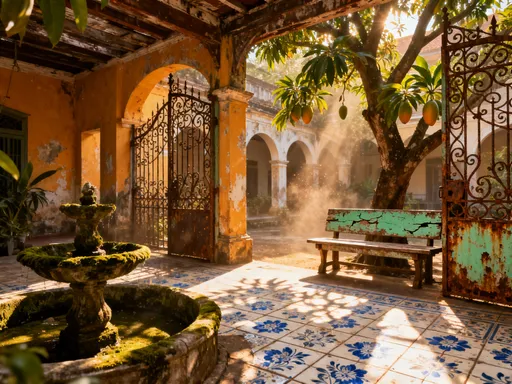
Another gem is a row of Dutch-era row houses along Jalan Pintu Besar Utara, their symmetrical facades and tall shuttered windows reflecting a European aesthetic adapted to tropical conditions. Many still feature original Dutch tiles at their entrances, patterned in deep blues and whites, though decades of foot traffic have worn them smooth. Some of these homes have been converted into intimate cafes, where visitors can sip kopi tubruk while seated beneath century-old ceiling fans. These adaptive uses breathe new life into historic structures without erasing their past.
Exploring these forgotten corners requires little more than a willingness to wander. There are no guided signs or ticket booths—just the quiet thrill of discovery. And with each step, you begin to see Kota Tua not as a curated heritage site, but as a living neighborhood where history isn’t preserved behind glass, but woven into everyday life.
Art Deco Echoes in Menteng and Gondangdia
As Jakarta expanded in the early 20th century, a new architectural language emerged—one shaped by modernist ideals, geometric precision, and a desire for orderly urban living. The planned residential district of Menteng, developed in the 1910s, became a showcase for this vision. Designed by Dutch architect P.A.J. Moojen, it featured wide, tree-lined avenues, green spaces, and homes built in the Art Deco and Neoclassical styles. Today, walking through Menteng feels like stepping into a different Jakarta—one of calm, elegance, and understated beauty.
The homes here are masterclasses in restrained design. Pastel-colored facades in soft greens, creams, and pale pinks are adorned with stucco reliefs of sunbursts, zigzags, and stylized flora—hallmarks of the Art Deco movement. Windows are symmetrically placed, often framed with decorative lintels, and ironwork gates feature flowing curves and geometric patterns. Many homes still retain their original wooden doors and brass hardware, a testament to the quality of early 20th-century craftsmanship.
Not far from Menteng, the neighborhood of Gondangdia offers a similar architectural legacy, though with a more intimate scale. Here, smaller villas and townhouses line quiet streets, some now repurposed as boutique offices, design studios, or private dining spaces. One converted home on Jalan Diponegoro now serves as a concept store for Indonesian textiles, its interior blending original hardwood floors with modern minimalist displays. The juxtaposition works seamlessly, proving that heritage and contemporary function can enhance rather than compete with one another.
Despite their charm, these neighborhoods face ongoing pressure from development. Some original homes have been demolished to make way for high-rises or parking lots, a reminder that preservation in Jakarta remains a fragile effort. Yet there are signs of growing appreciation. Local architects and historians are advocating for stronger heritage protections, and a new generation of residents is learning to value these spaces not just as real estate, but as cultural assets. When you walk through Menteng or Gondangdia, you’re not just seeing beautiful buildings—you’re witnessing a quiet resistance against erasure.
Modern Reinventions: Old Buildings, New Lives
Jakarta’s architectural renaissance isn’t limited to preservation—it’s also about reinvention. Across the city, a growing number of entrepreneurs and designers are embracing adaptive reuse, transforming outdated or abandoned structures into vibrant new spaces. This movement is not about nostalgia, but about sustainability, creativity, and giving old buildings a second chance to serve the community.
One of the most striking examples is the revitalization of a 1950s office building in Central Jakarta, once home to a state-owned enterprise. Left vacant for years, the structure was in decline—peeling paint, broken windows, and overgrown courtyards. But in 2018, a team of architects and urban planners stepped in, preserving the building’s brutalist concrete frame while opening up the interior for flexible use. Today, it functions as a creative compound, housing co-working spaces, design studios, and a rooftop event venue that draws crowds for weekend markets and live music.
What makes this project remarkable is its respect for the original architecture. The exposed concrete walls remain unpainted, their texture and form celebrated rather than hidden. Original signage from the 1950s was restored and mounted as art pieces, and the central courtyard—once a neglected space—has been turned into a green oasis with native plants and shaded seating. Natural light floods the open-plan interiors through large glass panels, reducing energy use and enhancing the sense of connection between indoor and outdoor spaces.
Similar transformations are happening across the city. A former textile factory in Tanjung Priok has been converted into a cultural center, hosting exhibitions on maritime history and industrial heritage. An old school building in Senen now operates as a community library and youth learning hub, its chalkboards replaced with digital displays but its wide corridors and high ceilings preserved. These projects prove that heritage doesn’t have to be frozen in time—it can evolve, adapt, and remain relevant.
The success of adaptive reuse in Jakarta lies in its balance. It’s not about creating theme parks of the past, but about integrating history into the fabric of modern life. When done thoughtfully, these projects honor the city’s legacy while addressing contemporary needs—affordable workspaces, cultural venues, and community gathering places. They also offer a sustainable alternative to demolition and new construction, reducing waste and conserving resources.
The Surprise of Religious Architecture
Jakarta’s spiritual diversity is one of its defining characteristics, and this richness is reflected in its places of worship. Beyond their religious significance, many of these buildings are architectural gems—carefully designed spaces that blend tradition, symbolism, and aesthetic innovation. What’s more surprising is how many of them remain under the radar, known primarily to locals and overlooked by even seasoned visitors.
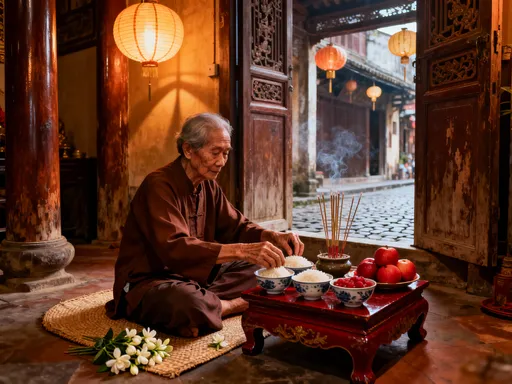
In Glodok, Jakarta’s historic Chinatown, stands a centuries-old Chinese temple tucked between bustling market stalls and narrow alleyways. From the outside, it appears modest—its entrance framed by red pillars and golden inscriptions. But step inside, and you’re greeted by a breathtaking display of craftsmanship. The roof is adorned with intricate ceramic carvings of dragons, phoenixes, and mythical figures, each piece handcrafted and imported from southern China. Inside, incense curls through the air as visitors light joss sticks beneath statues of deities, the space alive with quiet devotion and vibrant color.
Just a few kilometers away, in Tanah Abang, a modern mosque stands as a quiet revolution in religious design. Rather than following the grand domes and minarets typical of many Islamic structures, this mosque embraces minimalism. Clean lines, natural light, and open courtyards create a serene atmosphere, while the roof incorporates a subtle nod to traditional Javanese architecture—the layered, tiered form known as *tajug*. The result is a space that feels both contemporary and deeply rooted in local culture, a reflection of Jakarta’s ability to harmonize old and new.
Other examples include Hindu temples in South Jakarta, where stone carvings and mandala patterns reflect Balinese and Indian influences, and Christian churches in Central Jakarta that blend Gothic arches with tropical ventilation systems. These buildings are not just places of worship—they are statements of identity, resilience, and beauty. They remind us that spirituality and architecture can elevate one another, creating spaces that inspire peace, reflection, and connection.
Offbeat Neighborhoods Worth the Detour
If Jakarta’s architectural soul has a heartbeat, it pulses strongest in its lesser-known neighborhoods. Places like Petak Sembilan, Cikini, and Senen may not appear on tourist maps, but they offer some of the most authentic and visually rich experiences in the city. Each is a patchwork of styles, shaped by migration, trade, and generations of local craftsmanship. Here, history isn’t curated—it’s lived.
Take Petak Sembilan, part of Jakarta’s historic Chinatown. By day, it’s a maze of narrow lanes filled with spice vendors, herbal medicine shops, and family-run eateries. But look up, and you’ll notice the architectural details: shophouses with Peranakan-style tiles in floral patterns, wrought-iron balconies, and neon signs in Chinese calligraphy. Many of these buildings date back to the late 19th century, their ground floors used for commerce and upper levels for living. Some have been carefully restored, their facades cleaned and repainted, while others wear their age proudly, with peeling paint and weathered wood telling stories of time.
Cikini, once a residential enclave for colonial elites, now buzzes with creative energy. Old villas have been transformed into music studios, art galleries, and indie bookshops. One standout is a former Dutch-era home turned into a vinyl café, where visitors can browse rare records while sipping locally roasted coffee. The building’s original layout remains intact—wide verandas, high ceilings, and cross-ventilation designed for Jakarta’s humid climate. It’s a perfect example of how heritage can support contemporary culture without losing its essence.
Senen, often dismissed as a chaotic commercial district, holds its own architectural surprises. Amid the crowded markets and transit hubs, you’ll find remnants of 1960s modernism—concrete structures with geometric facades and functional layouts. A recent wave of small-scale renovations has brought new life to the area, with street art, pop-up gardens, and community-led beautification projects. These efforts don’t erase the neighborhood’s gritty character—they enhance it, proving that beauty can thrive even in the most unexpected places.
Exploring these neighborhoods requires mindfulness. Stick to daylight hours, use ride-hailing apps for safe transport, and always ask permission before photographing private homes or people. Respect goes a long way—smiles and simple greetings in Bahasa Indonesia can open doors and lead to unexpected conversations. These areas are not tourist attractions; they are real communities, and visiting them is a privilege.
How to Discover Jakarta’s Architectural Secrets
You don’t need a luxury tour or an architecture degree to uncover Jakarta’s hidden gems. What you do need is curiosity, a pair of comfortable shoes, and a few smart strategies. The city rewards slow, intentional exploration—wandering without a strict agenda, noticing details, and allowing yourself to get delightfully lost.
Start with walking routes. While there are no official heritage trails, informal paths have emerged through local initiatives. Join a community-led walking tour or follow routes shared by Jakarta-based photography groups on social media. These often highlight overlooked buildings, street art, and neighborhood histories not found in guidebooks. Alternatively, create your own route—begin in Kota Tua, then drift into Glodok, Petak Sembilan, and Tanah Abang, letting the streets guide you.
For real-time inspiration, follow Jakarta-focused Instagram accounts dedicated to urban photography and architecture. Pages like @jakartabeat, @old.jakarta, and @arquine_id regularly post images of hidden facades, restored courtyards, and adaptive reuse projects. These visual feeds can spark ideas and help you locate spots worth visiting. Just remember to verify locations and respect privacy—some buildings are private residences.
Timing matters. Early mornings are ideal for both light and atmosphere. The golden hour casts a warm glow on old brickwork and tile patterns, while the streets are quieter, making it easier to appreciate details without the rush of traffic. Weekdays are often better than weekends, when markets and schools are in full swing, adding layers of local life to your exploration.
Transportation is straightforward. Ride-hailing apps like Grab and Gojek are reliable and safe, allowing you to hop between neighborhoods without the stress of navigation. For shorter distances, consider walking or renting a bicycle through one of Jakarta’s growing bike-share programs. Some districts, like Menteng and Cikini, are especially bike-friendly, with wide sidewalks and tree-shaded streets.
Finally, practice ethical exploration. Always ask before photographing people or private property. Avoid touching or altering any part of historic structures. Support local businesses—buy a drink at a neighborhood café, purchase a handmade item from a small shop. Your presence should leave a positive impact, not just a footprint.
Conclusion
Jakarta’s true character isn’t in its highways or high-rises—it’s in the quiet details of its buildings, where centuries of change are etched into walls and windows. By stepping off the beaten path, we don’t just see architecture—we connect with the soul of the city. The next time you’re here, look closer. You might just fall in love with a place everyone else rushed past.