Lost in the Lanes of Jeddah: Where Old Meets New
Walking through Jeddah’s urban maze feels like flipping through pages of a living history book—ancient coral walls whisper stories, while sleek towers hum with modern dreams. I never expected this Saudi seaside city to blend tradition and progress so seamlessly. From the vibrant chaos of Al-Balad to the coastal serenity of the Corniche, Jeddah’s urban soul is bold, layered, and surprisingly welcoming. It is a city shaped by centuries of trade, pilgrimage, and cultural exchange, yet boldly stepping into the future. For travelers seeking depth, contrast, and authenticity, Jeddah offers an experience unlike any other in the Gulf—a place where heritage is not preserved behind glass but lived in the rhythm of daily life.
First Impressions: Stepping Into Jeddah’s Urban Pulse
Arriving at King Abdulaziz International Airport, one is immediately met with the dual essence of Jeddah: a city rooted in tradition yet pulsing with forward momentum. The warm desert air carries a faint scent of incense, and the distant call to prayer blends with the low hum of arriving aircraft. As taxis and ride-hailing vehicles glide along wide, well-lit highways, the cityscape unfolds in layers—historic neighborhoods nestled beside gleaming high-rises, traditional souqs adjacent to modern shopping centers. Jeddah, Saudi Arabia’s second-largest city and primary gateway to the holy cities of Mecca and Medina, has long served as a crossroads of cultures, faiths, and commerce. Its identity has been shaped by centuries of pilgrims passing through, merchants trading goods from Africa, India, and beyond, and a resilient local population that has preserved its customs amid rapid transformation.
What sets Jeddah apart from other Gulf cities is its organic growth and human scale. Unlike planned urban centers that rise from the desert in geometric precision, Jeddah evolved gradually, shaped by the needs of its people and the ebb and flow of maritime trade. The Red Sea coastline has always been central to its character, providing not only economic sustenance but also a cultural openness. Even today, the city retains a cosmopolitan air, evident in the diversity of languages spoken in its markets and the variety of cuisines available in its restaurants. This blend of the global and the local creates a dynamic atmosphere that feels both familiar and refreshingly unfamiliar to visitors.
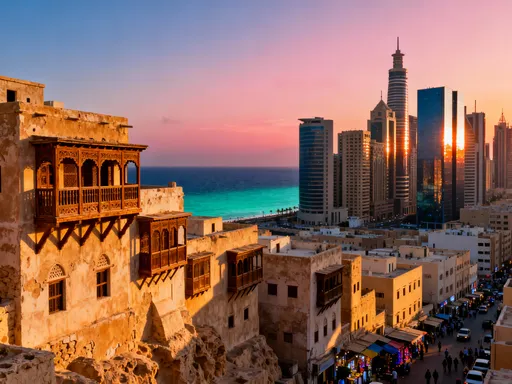
Jeddah’s role as a commercial hub has only intensified in recent years, supported by Saudi Arabia’s Vision 2030 initiative, which aims to diversify the national economy and reduce reliance on oil. As part of this transformation, Jeddah is investing in infrastructure, tourism, and urban development. Yet, despite the pace of change, the city has not lost its soul. The old and the new coexist not as opposing forces, but as complementary elements of a living, breathing urban identity. Whether seen from the top of a high-rise or from a quiet alley in Al-Balad, Jeddah reveals itself as a city in motion—one that honors its past while confidently shaping its future.
Al-Balad: Walking Through Time in the Old City
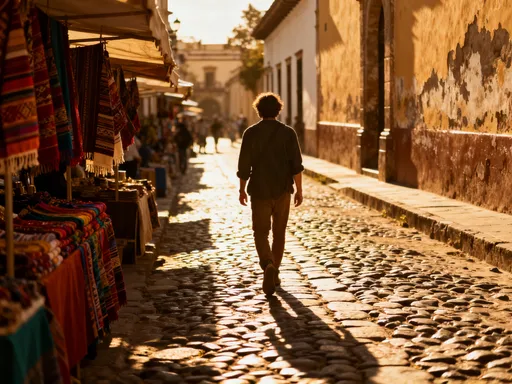
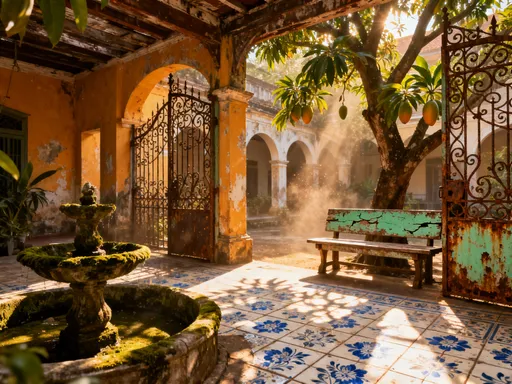
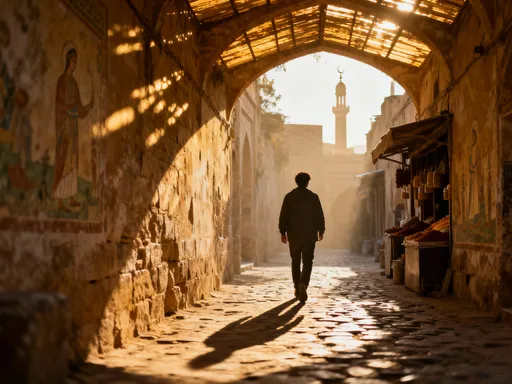
At the heart of Jeddah’s historical narrative lies Al-Balad, a UNESCO World Heritage site that stands as a testament to centuries of architectural ingenuity and cultural resilience. Walking through its narrow, winding lanes is like stepping into another era, where time slows and the modern world fades into the background. The district is home to over 600 historic buildings, many constructed from coral stone harvested from the Red Sea and reinforced with gypsum and wood. These structures, some dating back to the 16th century, feature distinctive *rawasheen*—intricately carved wooden balconies that project outward, allowing residents to observe street life while maintaining privacy. The craftsmanship reflects a deep understanding of climate and community, with thick walls providing insulation and interior courtyards offering cool, shaded retreats.
The sensory experience of Al-Balad is rich and immersive. The air is perfumed with saffron, cardamom, and burning oud as vendors display their wares in small, family-run shops. Spices spill from burlap sacks, golden halwa glistens under glass, and handwoven textiles drape across doorways. Artisans continue age-old trades—goldsmiths hammer delicate filigree, carpenters restore centuries-old doors, and masons carefully patch coral walls with traditional materials. In recent years, preservation efforts have gained momentum, supported by both government initiatives and grassroots organizations. Many historic homes, once abandoned or in disrepair, are being restored and repurposed as cultural centers, boutique guesthouses, and artisan workshops. This revival is not merely architectural—it is a reawakening of local pride and identity.
Yet Al-Balad is more than a museum of the past; it is a living neighborhood where families continue to reside and traditions are practiced daily. Elderly men gather in shaded corners to sip gahwa (Arabic coffee) and discuss the day’s events, while children weave through alleys on bicycles. Mosques with whitewashed minarets punctuate the skyline, their calls to prayer echoing through the lanes at regular intervals. The district’s resilience is a reflection of Jeddah’s broader character—adaptive, enduring, and deeply rooted in community. For visitors, a walk through Al-Balad is not just a tour of historic buildings, but an invitation to witness the continuity of a way of life that has weathered centuries of change.
The Corniche: Where the City Breathes
If Al-Balad is Jeddah’s historical heartbeat, the Corniche is its open lung—a sprawling coastal promenade that stretches over 30 kilometers along the Red Sea. This expansive waterfront is one of the city’s most beloved public spaces, offering respite from the urban density and a place for families, couples, and individuals to gather, relax, and reconnect. At sunset, the Corniche comes alive with activity: children chase kites shaped like falcons, couples stroll hand in hand along the palm-lined walkways, and joggers move steadily past ornate fountains and striking public sculptures. The sea breeze carries the scent of salt and grilled fish from nearby seafood stalls, where families enjoy simple, flavorful meals as the sky turns from gold to deep indigo.
The Corniche is more than just a scenic escape; it is a symbol of Jeddah’s commitment to creating inclusive, accessible urban spaces. Designed with multiple zones for recreation, relaxation, and cultural expression, it features landscaped parks, playgrounds, cycling paths, and designated areas for sports and fitness. Iconic landmarks such as the Friendship Fountain—a towering water sculpture gifted by the Philippines—serve as meeting points and photo opportunities. Public art installations, including large-scale calligraphy pieces and abstract metal sculptures, reflect the city’s growing appreciation for creative expression. These elements transform the Corniche into a dynamic canvas where art, nature, and community life intersect.
What makes the Corniche especially meaningful is its role in fostering intergenerational connection. Grandparents sit on shaded benches watching grandchildren play, teenagers gather in groups to socialize, and young professionals unwind after work. The promenade is also a venue for seasonal festivals, cultural events, and national celebrations, further strengthening its role as a unifying space. Unlike many urban developments that prioritize commerce or luxury, the Corniche remains fundamentally democratic—open to all, free of charge, and designed for collective enjoyment. In a city undergoing rapid transformation, this stretch of coastline stands as a reminder that progress need not come at the expense of public well-being and shared experience.
Modern Jeddah: Skyline, Malls, and Urban Energy
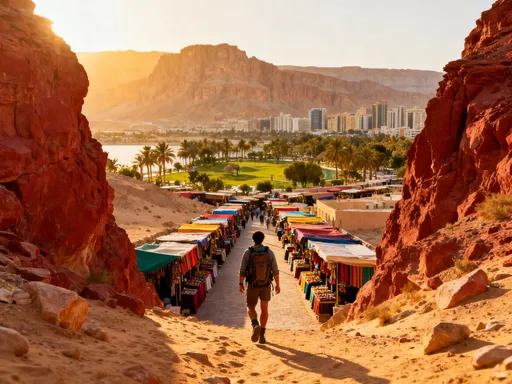
Just beyond the historic core and the tranquil Corniche, Jeddah reveals another dimension of its identity—one defined by vertical ambition, economic dynamism, and cosmopolitan flair. The city’s skyline, once dominated by low-rise structures, now features a growing cluster of high-rises, particularly in districts like Al-Hamra, Al-Rawdah, and Al-Salam. Glass-clad towers house corporate offices, luxury residences, and international hotels, signaling Jeddah’s emergence as a regional business and financial center. This architectural evolution mirrors the broader economic shifts underway in Saudi Arabia, driven by Vision 2030’s emphasis on privatization, foreign investment, and the growth of non-oil sectors such as technology, tourism, and entertainment.
Accompanying this vertical growth is a proliferation of modern retail and lifestyle destinations. Mega-malls like Red Sea Mall, Mall of Arabia, and Jeddah Park offer air-conditioned comfort, international brands, gourmet dining, and entertainment options ranging from cinemas to indoor theme parks. These spaces cater to a younger, increasingly affluent population that values convenience, style, and global connectivity. Yet, even in these contemporary settings, elements of local culture persist—Arabic calligraphy adorns mall interiors, traditional music plays softly in the background, and food courts feature both international chains and regional specialties like mandi, kabsa, and fresh camel milk.
Equally significant is the rise of creative and entrepreneurial hubs. Co-working spaces, design studios, and independent art galleries are emerging in neighborhoods like Al-Shati and Al-Nakheel, fostering a new generation of Saudi creatives and innovators. Events such as art exhibitions, fashion pop-ups, and startup pitch nights reflect a growing appetite for self-expression and innovation. International restaurants, from Japanese sushi bars to Italian trattorias, coexist with traditional family-run eateries, creating a culinary landscape that is both diverse and deeply rooted. This fusion of global influences and local identity defines modern Jeddah—a city that embraces change without erasing its essence.
Getting Around: Navigating Jeddah’s Urban Fabric
Understanding how to move through Jeddah is essential to fully experiencing its layered character. The city is vast, stretching from the Red Sea coast deep into the desert hinterland, and its transportation infrastructure reflects both its rapid growth and ongoing transformation. For most visitors and residents, private cars remain the primary mode of transport, supported by an extensive network of wide boulevards and highways. Driving in Jeddah is generally safe and well-regulated, though traffic congestion can be significant during peak hours, particularly in commercial districts and near major malls.
For those who prefer not to drive, ride-hailing services such as Uber and Careem are widely available and offer a convenient, affordable way to navigate the city. These apps are especially useful for reaching destinations that may be difficult to access via public transit. Taxis are also an option, though they are less common than in some other global cities and may require negotiation of fares in the absence of meters. In recent years, the city has begun expanding its public transportation options, with plans for a metro system and bus rapid transit (BRT) routes currently in development. While these projects are still in their early stages, they represent a significant step toward creating a more sustainable and inclusive urban mobility network.
Pedestrian accessibility varies greatly across Jeddah. In newer developments and along the Corniche, sidewalks are well-maintained, shaded, and equipped with seating and lighting, making walking a pleasant experience. However, in older neighborhoods and busy commercial areas, sidewalks may be narrow, uneven, or obstructed by parked vehicles. Visitors are advised to exercise caution when walking, particularly at night or in less familiar areas. That said, the city’s layout is generally intuitive, with major landmarks and districts well-signposted. With a combination of ride-hailing, strategic driving, and selective walking, travelers can comfortably explore Jeddah’s diverse neighborhoods and uncover its many layers at their own pace.
Hidden Layers: Local Life Beyond the Main Streets
Beyond the well-trodden paths of Al-Balad and the polished surfaces of modern malls lies a quieter, more intimate side of Jeddah—one that reveals the true rhythm of daily life. In residential neighborhoods like Al-Baghdadiyah, Al-Merghani, and Al-Rawabi, the pace slows, and the focus shifts to community, family, and tradition. These areas are home to generations of Jeddawi families who maintain customs passed down through the years, from morning coffee rituals to evening gatherings under the stars. Local markets, known as *souqs*, operate with a quiet efficiency, where shopkeepers know their customers by name and transactions are as much about conversation as commerce.
Street art has also found a place in these neighborhoods, with murals depicting Jeddah’s maritime history, Islamic geometric patterns, and messages of unity and pride. Unlike the curated galleries of the city center, these artworks emerge organically, often created by young Saudi artists eager to express their identity and vision. Community centers and neighborhood mosques serve as hubs for social connection, hosting religious lectures, youth programs, and charitable initiatives. Even in the most modern parts of the city, these traditions endure, demonstrating the resilience of local culture amid urban expansion.
One of the most touching aspects of Jeddah’s hidden layers is the warmth of its people. Residents often greet strangers with a smile, offer directions without hesitation, and extend hospitality with genuine kindness. Whether invited for a cup of gahwa or simply engaged in a brief conversation at a sidewalk café, visitors frequently remark on the city’s welcoming spirit. This sense of openness is not performative—it is woven into the fabric of daily life. In a world where urban centers can feel impersonal and fragmented, Jeddah offers a refreshing reminder that cities can still be places of connection, belonging, and human warmth.
The Future of Jeddah’s Urban Identity
As Jeddah stands on the brink of unprecedented transformation, it faces a critical question: how to grow without losing its soul? Ambitious projects like the Jeddah Tower—set to become the tallest building in the world—and the Red Sea Global tourism initiative promise to reshape the city’s skyline and economy. These developments are expected to attract international investment, boost tourism, and create new opportunities for employment and innovation. Yet, with such rapid change comes the risk of homogenization—of historic neighborhoods being overshadowed by glass towers, of local traditions being diluted in the pursuit of global appeal.
The challenge, then, is one of balance. How can Jeddah honor its rich heritage while embracing the future? The answer may lie in the very fabric of the city itself—in its ability to integrate rather than replace, to evolve without erasing. The ongoing restoration of Al-Balad, the inclusive design of the Corniche, and the grassroots revival of local crafts and arts all point to a growing awareness of the value of authenticity. Urban planning that prioritizes mixed-use development, pedestrian access, and cultural preservation can ensure that growth benefits all residents, not just a privileged few.
Moreover, Jeddah has the potential to serve as a model for sustainable urban development in the Gulf region. By investing in green spaces, renewable energy, and efficient public transit, the city can reduce its environmental footprint while improving quality of life. Equally important is the preservation of social cohesion—ensuring that economic progress does not come at the cost of community well-being. As Saudi Arabia continues its journey of transformation, Jeddah’s ability to blend the old with the new, the local with the global, may offer valuable lessons for cities around the world.
In the end, Jeddah’s true strength lies not in its tallest building or busiest mall, but in its ability to remain human. It is a city where history is not frozen in time but lived and reinterpreted, where progress is measured not only in skyscrapers but in the smiles of children flying kites on the Corniche, in the laughter of families sharing a meal, in the quiet dignity of elders sipping coffee in shaded courtyards. As the sun sets over the Red Sea and the call to prayer drifts through the lanes, Jeddah reminds us that the most vibrant cities are not those that erase their past, but those that carry it forward with grace, courage, and heart.